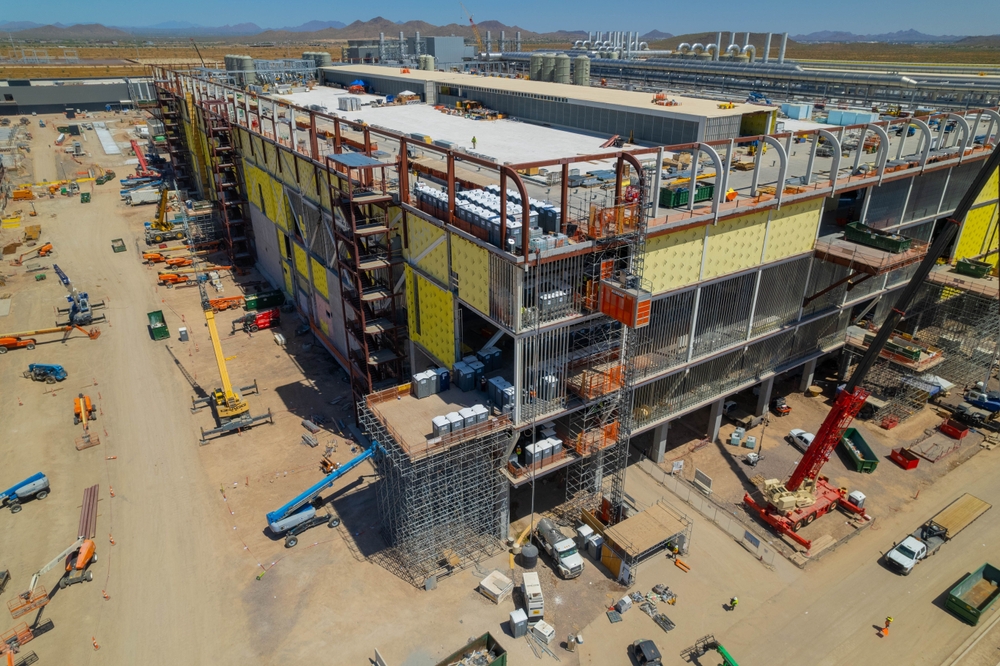
The industrial construction sector anticipates a significant investment cycle, but project survival amid political and power challenges remains uncertain. Global industrial projects, valued in the hundreds of billions, face delays and cancellations due to regulatory shifts and supply chain disruptions. Companies like Bechtel and Fluor report increased risk assessments and contingency planning for ongoing projects. The volatility stems from geopolitical tensions, fluctuating energy prices, and evolving environmental regulations impacting project delivery timelines and costs.
What Happened
Industrial construction pipelines show robust investment commitments, particularly in energy and manufacturing sectors. However, political instability and power supply issues are causing project delays and cancellations. Major projects in North America and Europe have seen timeline extensions averaging 12-18 months, with cost overruns reaching up to 20%. Contractors are revising contracts and increasing risk mitigation strategies to address these challenges.
Why It Matters for the AECM Industry
Project managers and engineers must anticipate increased complexity in scheduling and budgeting due to external volatility. Architects and contractors should incorporate flexible design and construction approaches to accommodate regulatory changes. Manufacturers supplying materials and equipment need to prepare for supply chain disruptions and pricing fluctuations. Effective stakeholder communication and adaptive project management will be critical to maintaining project viability.
What's Next
Industry stakeholders will monitor upcoming regulatory decisions and geopolitical developments closely. Several large-scale projects aim to finalize revised timelines and budgets by Q3 2024. Firms are expected to invest in digital tools and analytics to improve risk forecasting and project delivery efficiency.
Is your firm ready for what’s next?
VisioneerIT helps AECM and government contractors modernize operations, achieve compliance, and implement AI.
Explore VisioneerIT Solutions →