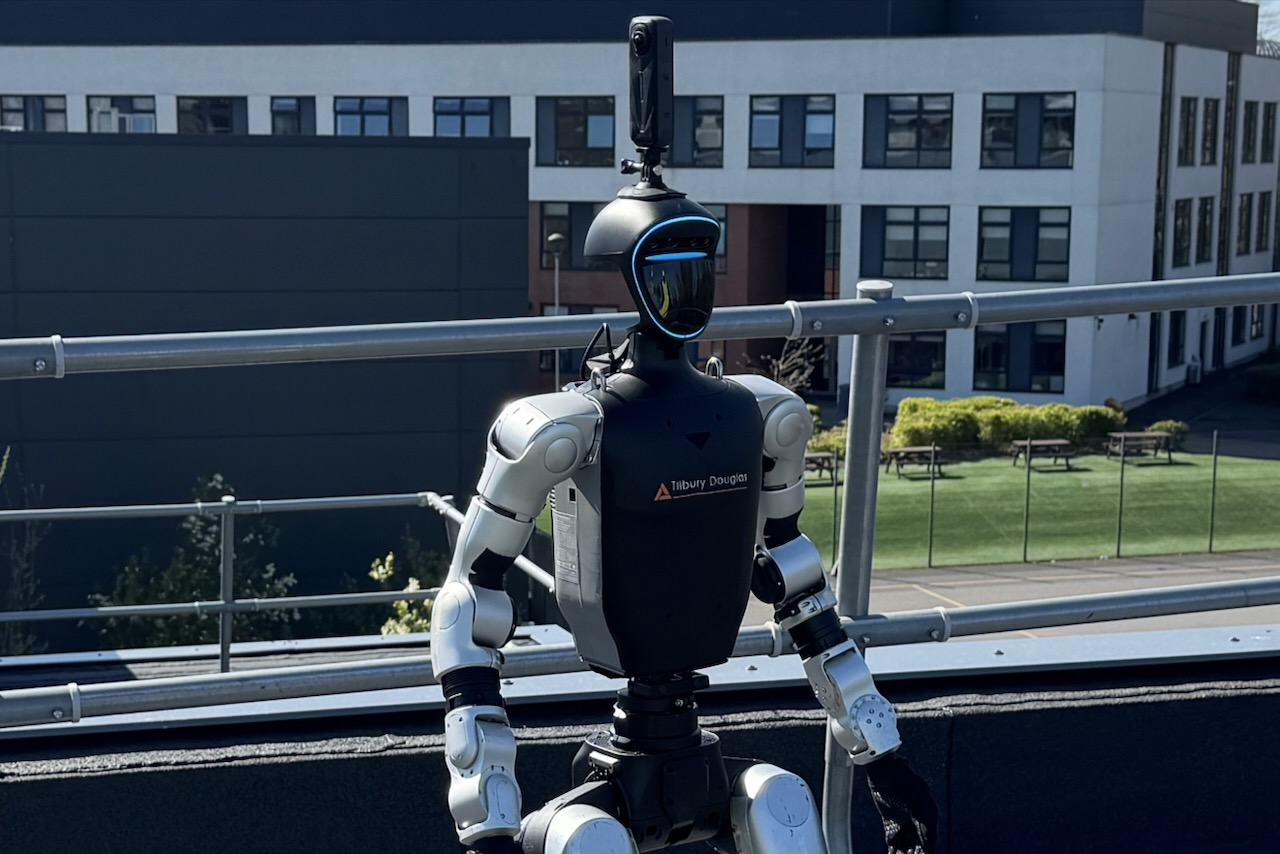
Tilbury Douglas, a major player in the construction industry, has introduced a humanoid robot to its construction sites, aiming to revolutionize data collection and site monitoring processes. This move is a strategic response to the industry's persistent challenges such as the skills shortage and resource constraints.
What Happened
Tilbury Douglas has deployed a humanoid robot capable of autonomously navigating live construction sites to collect 360-degree imagery and generate detailed progress reports. This advanced piece of technology is not only designed for data collection but also plays a crucial role in health and safety monitoring, ensuring compliance with industry standards.
Mark Buckle, Technical Director at Tilbury Douglas, highlighted the benefits of this innovation, stating that the robot is expected to save the company an average of 40 hours per month. This significant time savings translates into greater operational efficiency, allowing human teams to focus on tasks that require their expertise and creativity.
The introduction of this robotic technology comes at a time when the construction industry is grappling with a shortage of skilled labor and ongoing resource challenges. By automating routine processes, Tilbury Douglas aims to maintain high standards of site oversight and compliance without compromising on quality.
Why It Matters for the AECM Industry
The deployment of humanoid robots on construction sites could mark a significant shift in how data is collected and analyzed across the industry. For project managers and site supervisors, this innovation offers a new level of precision in tracking project progress, identifying potential delays, and mitigating safety risks.
Furthermore, the ability to automate data collection processes frees up skilled labor to focus on more complex tasks that require human judgment and expertise. This can lead to increased job satisfaction and productivity among construction teams, as they are able to engage in more meaningful work.
From a financial perspective, the time saved by the robot's operations can lead to cost reductions in project management and oversight, potentially improving profit margins. Additionally, the enhanced safety monitoring could result in fewer accidents and lower insurance premiums, offering further financial benefits to construction companies.
In terms of sustainability, robots like the one used by Tilbury Douglas can contribute to more efficient resource use and waste reduction, aligning with broader industry goals of reducing environmental impact.
What's Next
As Tilbury Douglas continues to evaluate the performance of its humanoid robot, other companies in the construction sector will likely be watching closely. If successful, this technology could see wider adoption across the industry, prompting further innovations in robotic and AI applications on construction sites.
Professionals in the AECM industry should prepare for potential changes in job roles and project workflows as automation becomes more prevalent. Staying informed about advancements in construction robotics and their implications could be crucial for maintaining competitive advantage and ensuring smooth project delivery.
Upcoming industry conferences and trade shows may feature discussions on robotics and automation, providing opportunities for professionals to learn more and engage with these emerging technologies.
Is your firm ready for what’s next?
VisioneerIT helps AECM and government contractors modernize operations, achieve compliance, and implement AI.
Explore VisioneerIT Solutions →Tracking the right federal opportunities?
OryonIQ's AI platform monitors agency forecasts, contract awards, and procurement timelines — so government contractors always know what’s coming next.
Try OryonIQ Free →