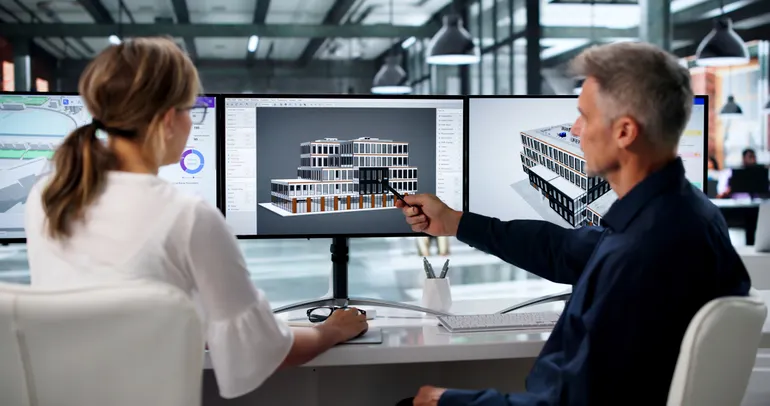
Hercuton, a leading design and build firm in the Netherlands, is revolutionizing its construction processes by adopting Common Data Environments (CDEs) to enhance Building Information Modeling (BIM) workflows. This strategic move is transforming how the company manages information across construction projects and emphasizes the growing role of digitalization in the architecture, engineering, construction, and manufacturing (AECM) industry.
What Happened
Hercuton, part of the Dutch JAJO construction group, has integrated CDEs into its operations to streamline BIM workflows. By doing so, Hercuton positions itself as an innovative leader in construction digitalization. Traditionally, construction projects struggle with fragmented information flows, leading to errors and rework. However, Hercuton's approach leverages digital capabilities, including the use of Industry Foundation Classes (IFC) files and digital documents, to create a "single source of truth" for all project data. This approach ensures consistent information management from the project's inception to completion.
Daan Arts, now the Manager of Digitalization and Innovation at Hercuton, has been instrumental in embedding BIM as the norm within JAJO. By employing Solibri’s rule-based model checking, Hercuton ensures compliance and identifies discrepancies early in the design and engineering phases. This proactive stance is critical, given that 80% of construction tasks are subcontracted, necessitating seamless collaboration across all parties involved.
Why It Matters for the AECM Industry
The adoption of CDEs and robust BIM workflows presents significant advantages for the AECM industry. By establishing a centralized platform for data management, companies like Hercuton can reduce errors, minimize rework, and enhance collaboration among stakeholders. This leads to cost savings, improved project timelines, and better alignment with client expectations. Furthermore, by integrating subcontractors and clients into the digital workflow, Hercuton ensures transparency and accountability throughout the construction process.
For the AECM industry, the move towards CDEs represents a shift towards more sustainable and efficient construction practices. As more firms follow Hercuton's lead, the industry can expect reduced project risks, streamlined supply chains, and a competitive edge in delivering high-quality, timely projects.
What's Next
As Hercuton continues to refine its digital workflows, the company is set to explore further advancements in digitalization and innovation. Industry professionals should watch for developments in CDE capabilities, such as enhanced model viewing, quality checks, and improved issue communication. These advancements will likely influence industry standards and best practices in BIM management.
With the growing importance of digital transformation in construction, firms must remain vigilant and adaptable to emerging technologies and methodologies. The success of Hercuton's approach serves as a benchmark for the industry, illustrating the tangible benefits of embracing digitalization.
Is your firm ready for what’s next?
VisioneerIT helps AECM and government contractors modernize operations, achieve compliance, and implement AI.
Explore VisioneerIT Solutions →