Span Architecture has completed a meticulous seven-year renovation of the historic Harper House, a townhouse on Gramercy Park, New York, known for its association with Bob Dylan and its ornate interiors. The restoration not only honors the building's storied past but also adapts it for modern living, blending historic craftsmanship with contemporary design.
What Happened
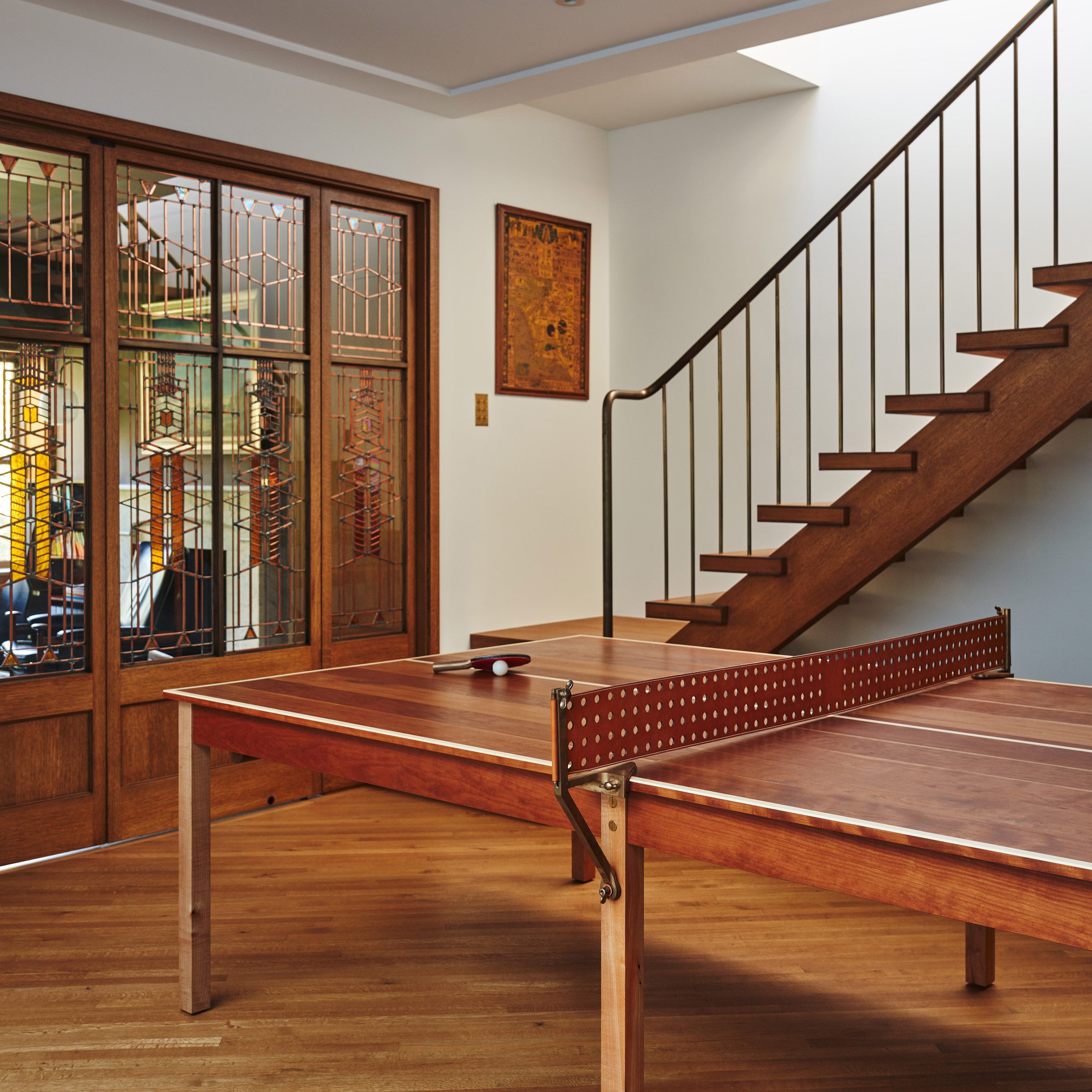
The Harper House, which once graced the cover of Bob Dylan's 1965 album "Highway 61 Revisited," has been carefully restored by New York-based Span Architecture. The residence's historical significance extends beyond its musical association; it was originally designed by the celebrated American architect Stanford White. The renovation project, commissioned by current homeowners Stephen and Allison Sullens, sought to preserve the rich history of the property while making it suitable for contemporary use. The renovation involved restoring original interiors, such as a salon with Cuban mahogany paneling and oak ceilings, and enhancing the home with modern features like double-height atrium spaces and skylights to bring in natural light.
Why It Matters for the AECM Industry
The Harper House renovation underscores the growing trend in the AECM industry to balance historical preservation with modern functionality. This project highlights the intricate work required in restoring historic structures, where original materials and craftsmanship must be respected while integrating modern amenities. The use of specialists, such as Carlton House Restoration for interior woodwork and Ball & Ball for refurbishing gas lamps, illustrates the collaborative nature of such projects. For professionals in the architecture and construction sectors, this project serves as a case study in managing the complexities of heritage conservation alongside contemporary needs. The initiative reflects a broader industry shift towards sustainable practices by preserving existing structures and reducing the environmental impact of new construction.
What's Next
As the Harper House project wraps up, it sets a precedent for future renovations of historical properties, particularly those with cultural significance. The demand for such projects is likely to grow as urban areas continue to value their architectural heritage. AECM professionals should monitor regulatory developments in preservation policies, as well as advancements in restoration techniques that can enhance the efficiency and effectiveness of such endeavors. Additionally, the integration of modern elements into historic settings will continue to challenge architects and builders to innovate while respecting historical integrity. This project also encourages a broader dialogue on the role of architecture in bridging the past and future, an essential consideration for industry leaders moving forward.
Is your firm ready for what’s next?
VisioneerIT helps AECM and government contractors modernize operations, achieve compliance, and implement AI.
Explore VisioneerIT Solutions →Tracking the right federal opportunities?
OryonIQ's AI platform monitors agency forecasts, contract awards, and procurement timelines — so government contractors always know what’s coming next.
Try OryonIQ Free →