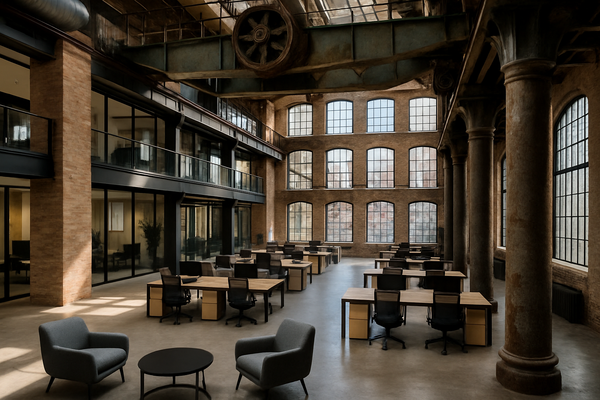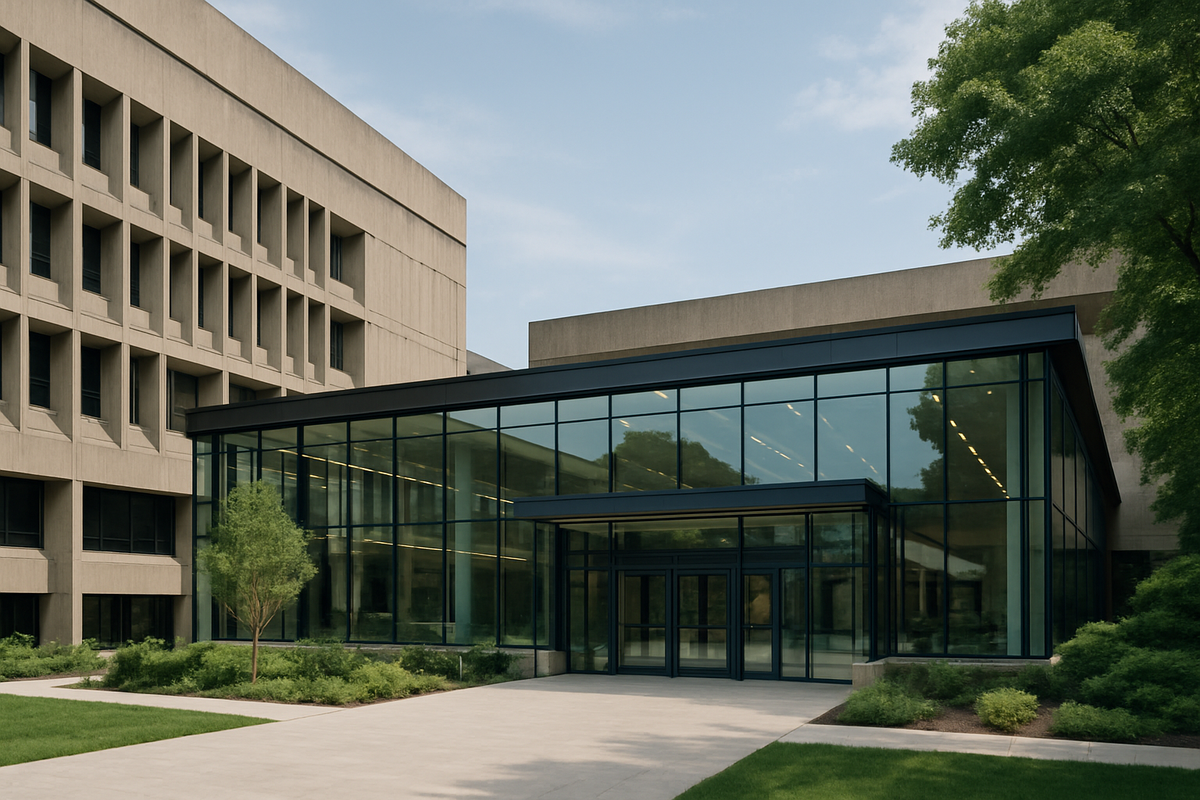
The recent renovation of the Hillman Library at the University of Pittsburgh marks a significant transformation in architectural design, blending mid-century brutalism with contemporary aesthetics. The project, led by international architecture studio GBBN, has revitalized a 1960s library into a vibrant academic hub, underscoring a trend of modernizing historic structures to meet current educational needs.
What Happened
GBBN has completed the renovation and extension of the Hillman Library, a project that reimagines the original 1968 design by Celli-Flynn & Associates. The library, located on the University of Pittsburgh campus, now boasts a 230,000-square-foot facility featuring a striking stacked-glass extension. This renovation, completed in 2025, is part of a broader initiative to adapt existing academic infrastructures to better serve today's students. The original brutalist architecture, characterized by its raw concrete forms, has been preserved while integrating new materials and technologies to create a 21st-century learning environment.
The extension not only increases the library's capacity but also enhances its functionality as a central hub for students. GBBN's design approach focused on creating flexible spaces that accommodate various learning styles and activities, from collaborative work areas to quiet study zones. The project is a testament to the evolving role of libraries in educational settings, emphasizing accessibility, technology integration, and sustainability.
Why It Matters for the AECM Industry
The Hillman Library renovation is a prime example of how the AECM industry is responding to the demand for modernized educational facilities. As universities across the globe seek to upgrade their infrastructures, projects like this demonstrate the importance of preserving historical architecture while meeting contemporary needs. For architects, engineers, and construction professionals, such projects present both challenges and opportunities.
The integration of new materials and technologies into existing structures requires innovative engineering solutions and meticulous planning. The use of glass in the extension, for instance, not only modernizes the aesthetic but also introduces challenges in terms of structural support and energy efficiency. Construction teams must navigate these complexities while adhering to tight schedules and budgets.
Furthermore, the project highlights the increasing emphasis on sustainable design in the AECM industry. The renovation incorporated energy-efficient systems and sustainable materials, aligning with broader environmental goals. This trend is likely to continue as regulatory bodies and clients prioritize sustainability in construction projects.
What's Next
With the successful completion of the Hillman Library project, GBBN sets a precedent for future renovations of academic buildings. As universities expand and update their facilities, the AECM industry can expect a growing demand for similar projects that blend historical preservation with modern innovation.
Professionals in the field should watch for upcoming opportunities in the educational sector, particularly as institutions seek to balance tradition with the need for state-of-the-art learning environments. The success of the Hillman Library renovation could influence design standards and inspire similar projects globally.
Is your firm ready for what’s next?
VisioneerIT helps AECM and government contractors modernize operations, achieve compliance, and implement AI.
Explore VisioneerIT Solutions →Tracking the right federal opportunities?
OryonIQ's AI platform monitors agency forecasts, contract awards, and procurement timelines — so government contractors always know what’s coming next.
Try OryonIQ Free →