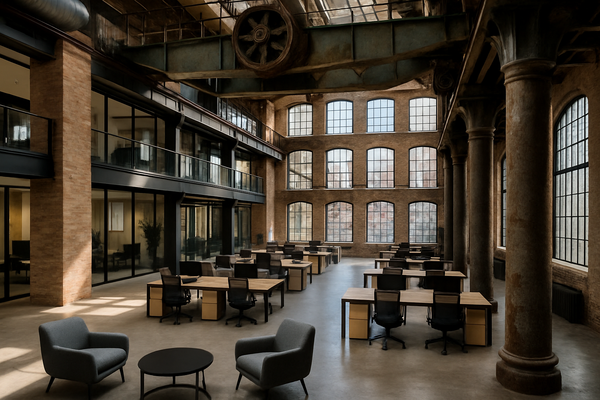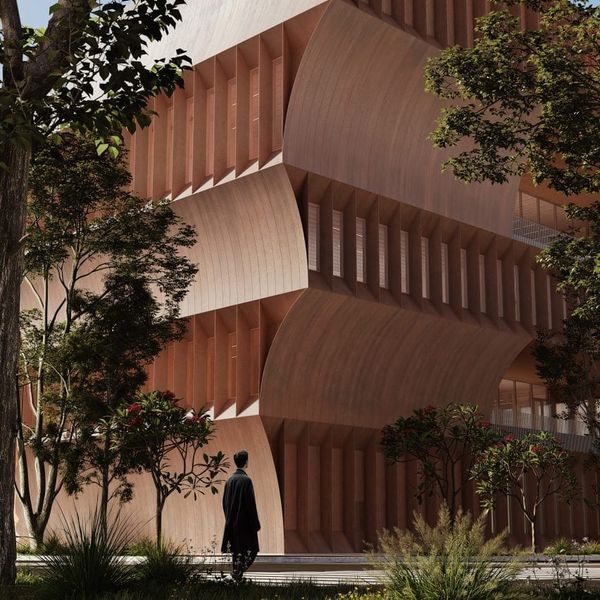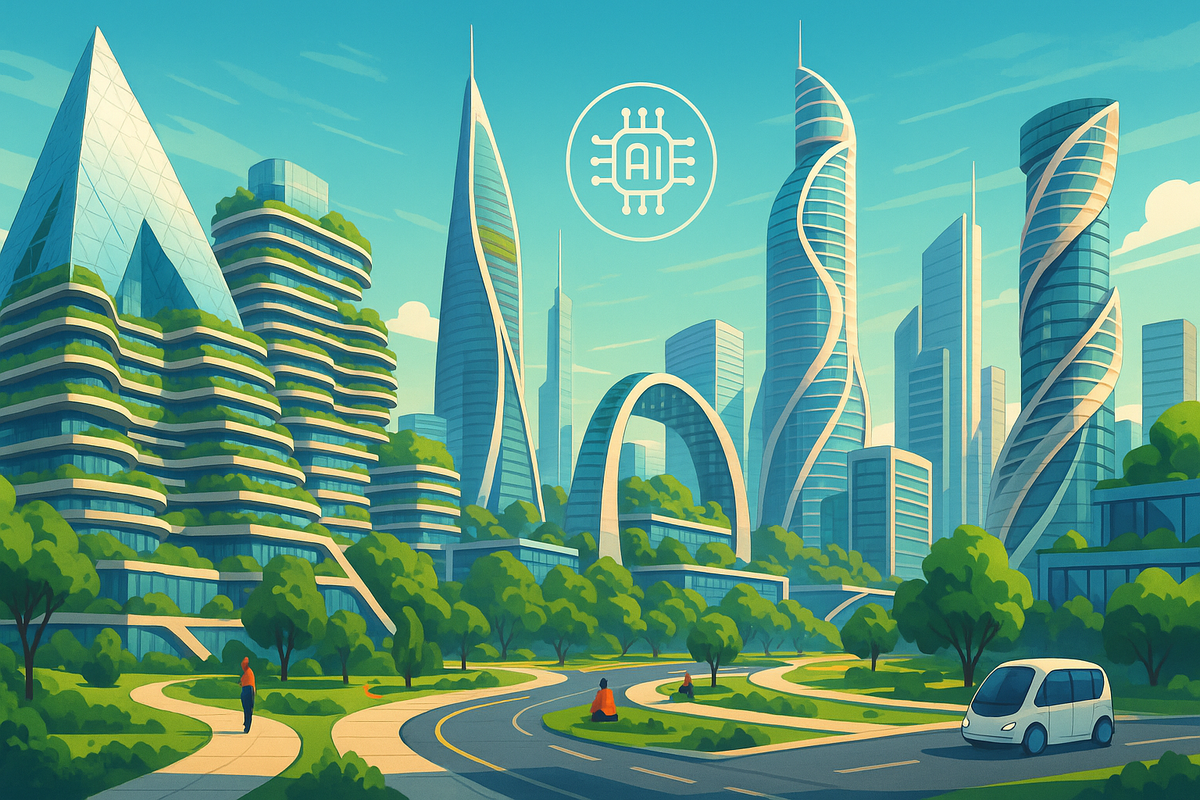
Egypt is embarking on an ambitious endeavor to construct a futuristic city dubbed "The Spine," which aims to set a new benchmark for urban development. Unlike Saudi Arabia's linear urban project, The Line, The Spine draws parallels to New York's Hudson Yards, emphasizing AI-driven design, sustainable infrastructure, and significant private-sector investment.
What Happened
The Spine is a monumental urban development project in Egypt, designed to be a hallmark of modern living. It integrates cutting-edge technologies and sustainability practices, with the potential to reshape the country's urban landscape. The project is spearheaded by a consortium of private investors, reflecting a shift from traditional government-led city planning. AI technology plays a crucial role in the design phase, optimizing everything from energy efficiency to urban mobility.
The initiative is part of Egypt's broader vision to accommodate rapid urbanization and population growth. Unlike The Line in Saudi Arabia, which proposes a single continuous urban strip, The Spine is designed as a series of interconnected hubs, reminiscent of the mixed-use development strategy seen in Hudson Yards. This approach allows for diverse architectural styles and functions, aiming to create a vibrant urban environment.
Why It Matters for the AECM Industry
For the architecture, engineering, construction, and manufacturing sectors, The Spine represents a significant opportunity and challenge. The project's reliance on AI for design and sustainability aligns with global trends towards smart cities, demanding new skills and technologies from professionals. Companies engaged in the project will need to integrate AI tools into their workflows, potentially accelerating the adoption of such technologies across the industry.
The scale and complexity of The Spine require innovative construction techniques and materials. Sustainable infrastructure is a key feature, with an emphasis on reducing carbon footprints and enhancing energy efficiency. This focus on sustainability presents opportunities for firms specializing in green building technologies and materials.
Moreover, the involvement of private investors signals a shift in financing models for large-scale urban projects. This could influence future project funding strategies, encouraging more public-private partnerships in the region. For contractors and suppliers, this means navigating new procurement processes and potentially more rigorous project management standards.
What's Next
As The Spine progresses, several critical milestones will shape its development. The initial phases will focus on infrastructure and core facilities, with construction expected to ramp up over the next few years. Industry professionals should monitor the project's tender releases and contract awards, as these will provide insights into emerging opportunities.
Additionally, the project's success could set a precedent for similar developments across the Middle East and Africa, influencing regional urban planning and construction practices. Stakeholders should prepare for increased competition as more firms seek to capitalize on the demand for smart, sustainable urban solutions.
Is your firm ready for what’s next?
VisioneerIT helps AECM and government contractors modernize operations, achieve compliance, and implement AI.
Explore VisioneerIT Solutions →Tracking the right federal opportunities?
OryonIQ's AI platform monitors agency forecasts, contract awards, and procurement timelines — so government contractors always know what’s coming next.
Try OryonIQ Free →