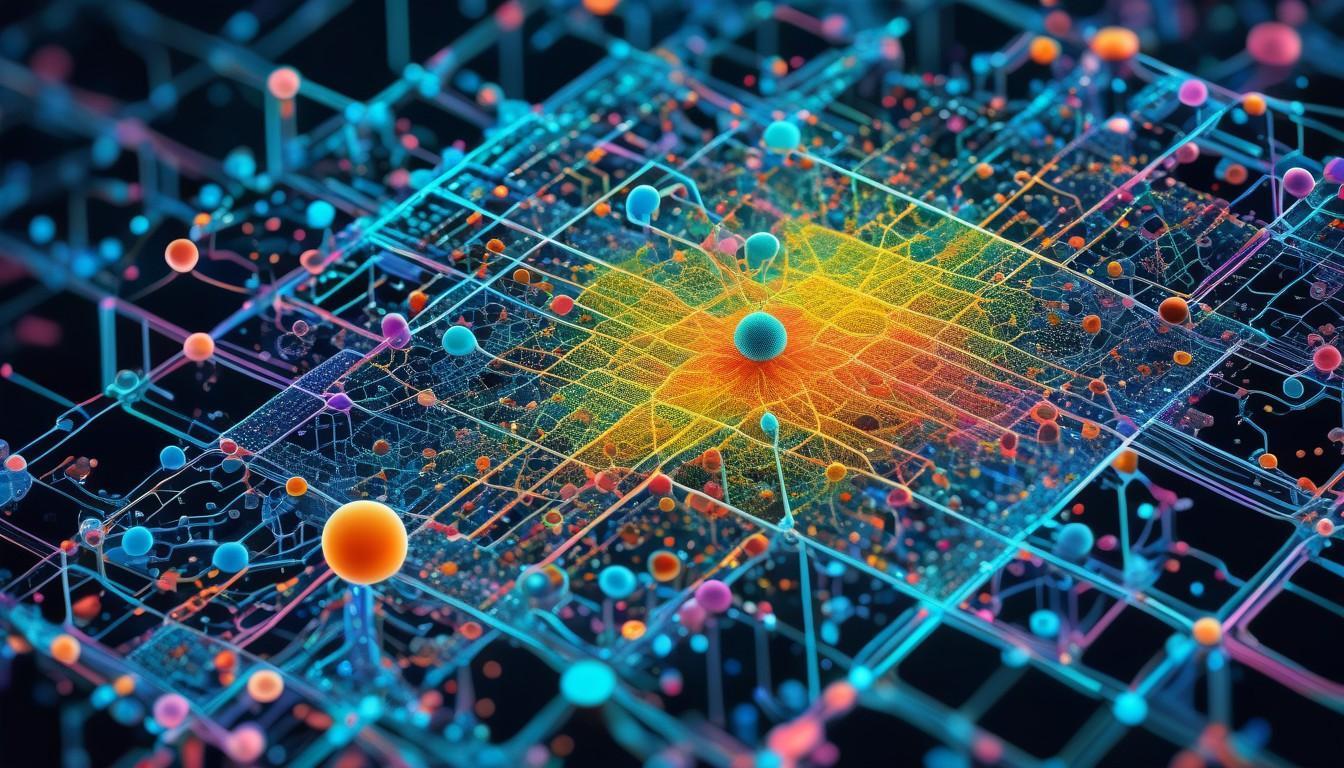
Deep learning techniques now enable detailed analysis of single-cell sequencing data, revealing cellular diversity at unprecedented resolution. Researchers apply neural networks to interpret gene expression variations among individual cells, despite identical DNA sequences. This approach deciphers complex regulatory mechanisms controlling gene expression, improving understanding of cellular functions and disease processes.
What Happened
Scientists integrated deep learning models with single-cell RNA sequencing to analyze gene expression patterns across thousands of cells simultaneously. This method identifies subtle differences in gene regulation and cell states, surpassing traditional bulk sequencing techniques. It leverages large datasets to train models that predict cellular behavior and heterogeneity.
Why It Matters for the AECM Industry
Advanced AI-driven analysis of cellular data can inform biomaterials development and tissue engineering by providing insights into cell differentiation and function. Project managers and engineers can apply this knowledge to optimize biocompatible materials and regenerative medicine strategies. Understanding cellular diversity aids in designing more effective medical devices and construction of biological scaffolds.
What's Next
Upcoming milestones include integrating multi-omics data with deep learning to enhance predictive accuracy and expanding applications in personalized medicine. Further development of user-friendly AI tools will enable broader adoption in biomedical research and industrial biotechnology sectors.
Is your firm ready for what’s next?
VisioneerIT helps AECM and government contractors modernize operations, achieve compliance, and implement AI.
Explore VisioneerIT Solutions →