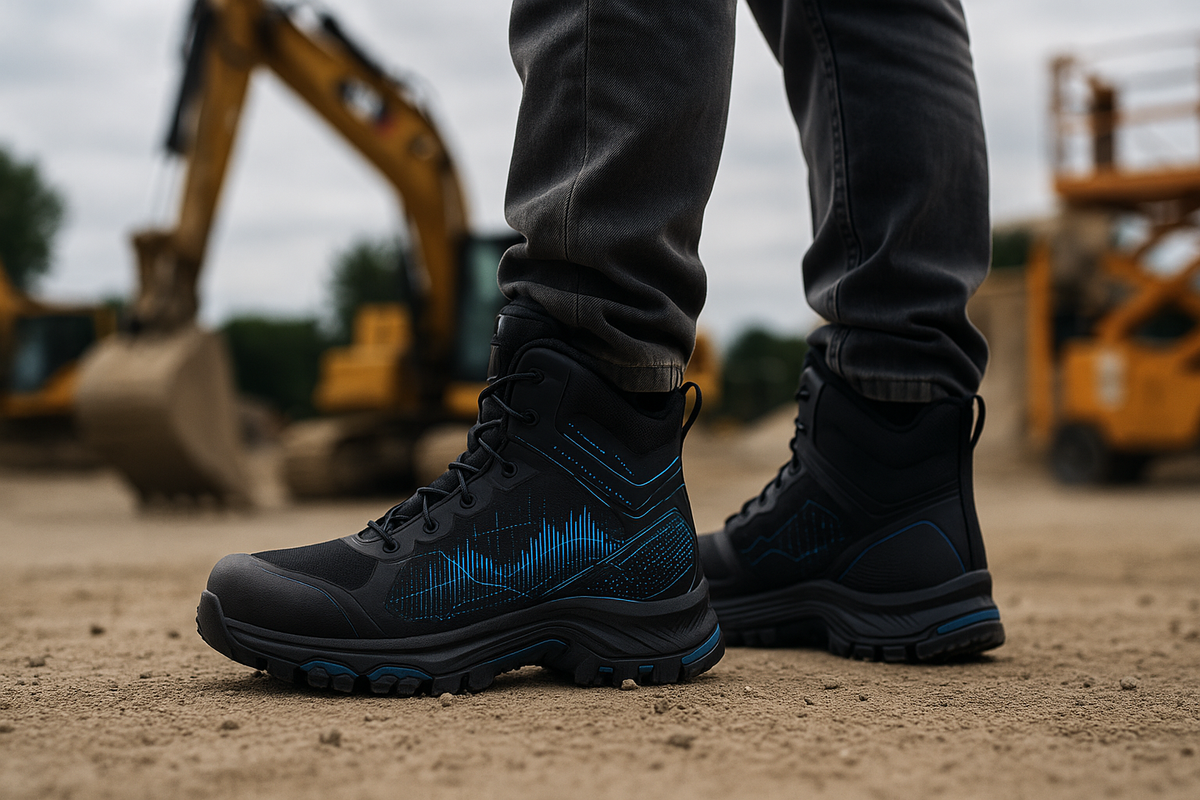
Construction footwear is undergoing a transformation as data-driven design takes center stage in creating work boots tailored for optimal jobsite performance. This shift is crucial as the industry faces increasing demands for safety, comfort, and efficiency, directly impacting worker productivity and job satisfaction.
What Happened
The construction industry is embracing a new era of work boot design, focusing on fit and functionality through data analysis. Companies like Red Wing are leveraging technology to gather detailed insights about foot shapes, work conditions, and user feedback. This data-driven approach allows manufacturers to create footwear that is not only more comfortable but also enhances safety and efficiency on the jobsite. By analyzing large datasets, these companies can identify common issues faced by workers, such as discomfort or inadequate protection, and address them with precision-engineered solutions.
Why It Matters for the AECM Industry
The implications for the Architecture, Engineering, Construction, and Manufacturing (AECM) sectors are significant. Properly fitted work boots reduce the risk of injury, fatigue, and absenteeism, leading to more consistent productivity and lower costs associated with workplace accidents. For project managers and contractors, investing in state-of-the-art footwear translates to better on-site performance and adherence to project timelines. Moreover, with the construction industry under continuous pressure to improve safety standards, data-driven footwear represents an innovative step towards meeting regulatory requirements and enhancing worker well-being. The integration of technology in footwear design also reflects broader trends in the industry towards smart construction solutions, where efficiency and worker health are prioritized.
What's Next
As construction companies and manufacturers continue to adopt data-driven practices, the focus will likely expand beyond footwear to other personal protective equipment (PPE). Professionals can expect new developments in areas such as wearable technology that further integrate safety and performance data. For those in the AECM industry, staying informed about these advancements and considering their adoption will be key to maintaining competitive advantage. Future industry conferences and trade shows will likely highlight these innovations, offering opportunities for professionals to engage with the latest technology and discuss their applications on the jobsite.
Is your firm ready for what’s next?
VisioneerIT helps AECM and government contractors modernize operations, achieve compliance, and implement AI.
Explore VisioneerIT Solutions →


