Costain's innovative use of 3D printed concrete sleepers is making waves in the construction industry, particularly within the ambitious East Coast Cluster carbon capture and storage project. This move not only represents a leap forward in construction technology but also offers significant environmental benefits.
What Happened
Costain, a leading UK-based construction and engineering company, is utilizing 3D printed concrete technology from Hyperion Robotics to manufacture low carbon sleepers for the East Coast Cluster project. These sleepers will serve as pipe support bases for a network designed by Northern Endurance Partnership and A E Yates. This network aims to transport carbon dioxide from industrial emitters to subsea storage sites in the North Sea.
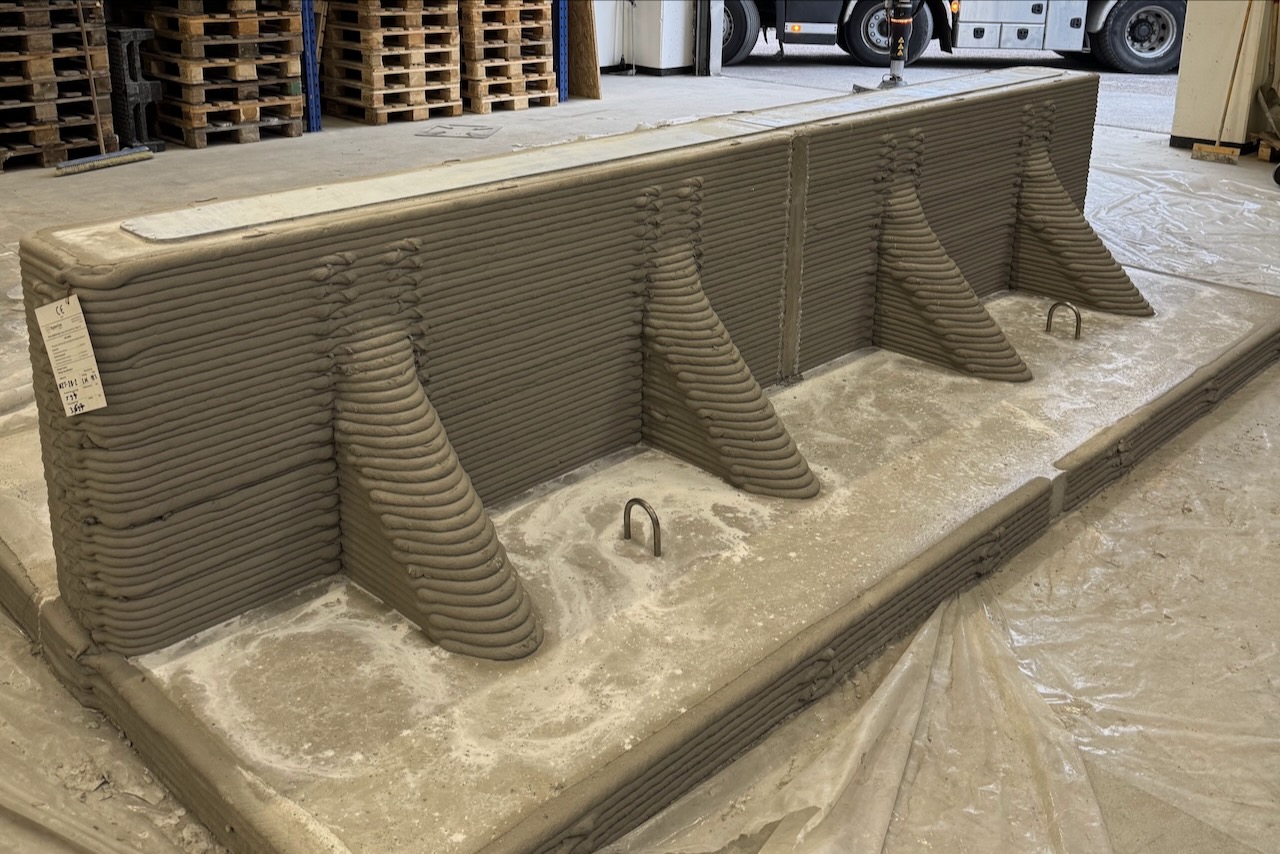
The use of Hyperion’s 3D printing technology enables the production of sleepers without the need for traditional formwork, allowing for precise and repeatable manufacturing. Compared to traditional precast methods, this approach reduces the need for soil excavation and cuts down on concrete and steel usage by 40%. Carbon emissions are also expected to decrease by up to 50%. Despite being up to 60% lighter, these structures boast a strength up to ten times greater than conventional solutions.
The sleepers will be manufactured offsite at Hyperion's new UK facility, Forge I, located near Scunthorpe, Lincolnshire. This offsite production will minimize onsite labor and equipment needs, contributing to faster and safer installation processes.
Why It Matters for the AECM Industry
The introduction of 3D printed concrete in such a high-profile project highlights a shift towards more sustainable construction practices. For the AECM industry, this development signals a potential reduction in material costs and environmental impact, aligning with global carbon reduction targets.
Costain's initiative demonstrates how 3D printing can transform traditional construction processes, reducing reliance on materials like concrete and steel, which are significant contributors to carbon emissions. The reduced weight of the sleepers also implies less strain on transportation and handling equipment, potentially lowering logistics costs and enhancing safety on job sites.
Moreover, this project underscores the importance of innovation in maintaining competitive advantage. As sustainability becomes an industry benchmark, companies that leverage cutting-edge technologies will likely lead the market. The economic ripple effects are also noteworthy, as projects like these support regional growth and prosperity, particularly in areas like Teesside, which have been earmarked for economic revitalization.
What's Next
As the East Coast Cluster project progresses, industry professionals should monitor its implementation closely. The project's success could set a precedent for future infrastructure projects, encouraging broader adoption of 3D printed construction materials.
Upcoming milestones to watch include the performance analysis of these 3D printed sleepers under operational conditions and any adjustments in regulatory standards that might arise from their use. Moreover, the opening of Hyperion's Forge I facility near Scunthorpe marks a significant step in scaling this technology, possibly paving the way for more widespread application across the UK and beyond.
The AECM industry should prepare for potential shifts in supply chain dynamics and workforce training needs as 3D printing becomes more integrated into construction processes.
Is your firm ready for what’s next?
VisioneerIT helps AECM and government contractors modernize operations, achieve compliance, and implement AI.
Explore VisioneerIT Solutions →