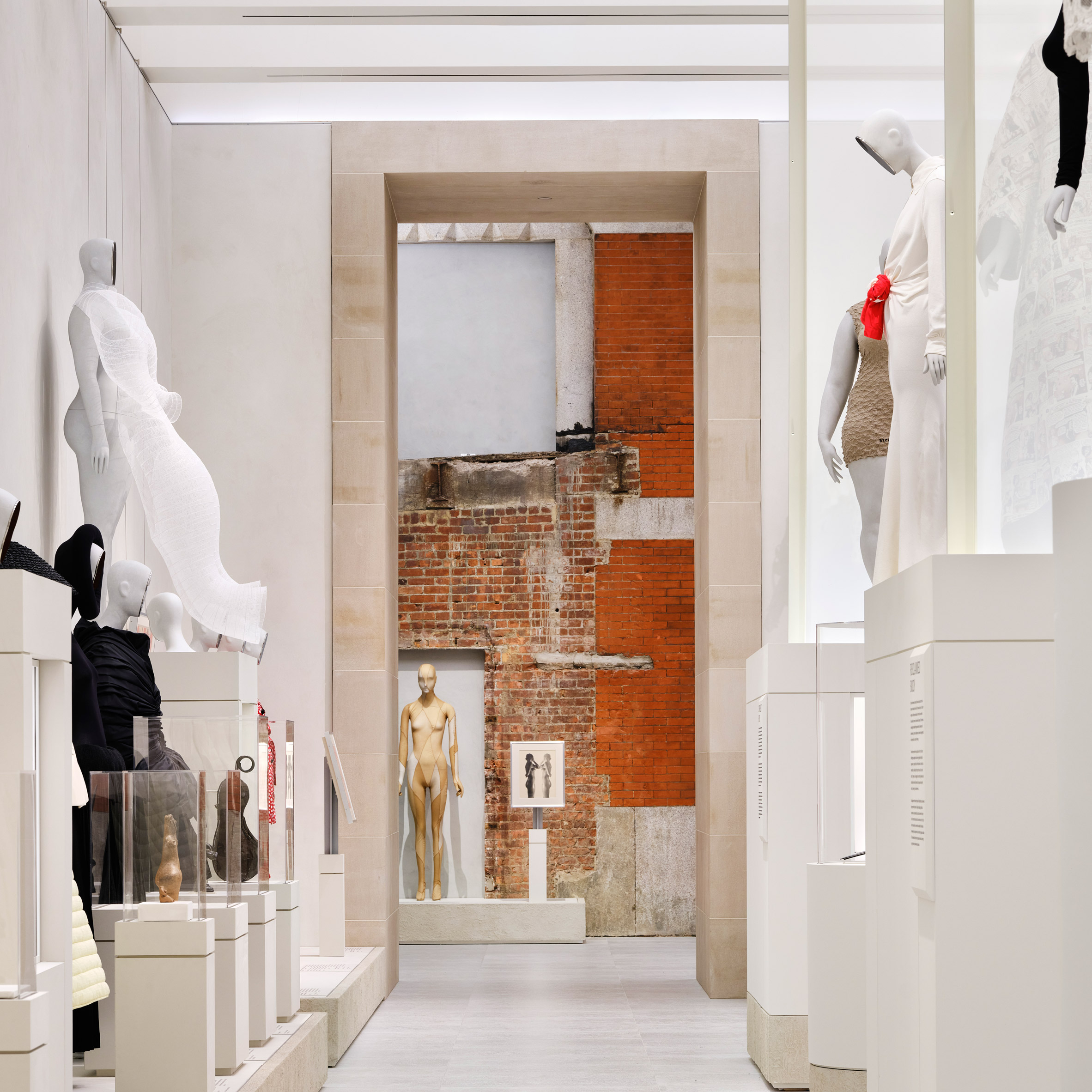
Brooklyn-based architecture firm Peterson Rich Office (PRO) has unveiled its latest project at the Metropolitan Museum of Art in New York City, completing the design of five new spaces that bridge the gap between the museum's storied past and its dynamic present. As the museum prepares for its annual Met Gala, these new Condé Nast Galleries offer a fresh take on the historic institution's architectural evolution.
What Happened
Peterson Rich Office was tasked with revitalizing 12,000 square feet within The Met, specifically focusing on a historic courtyard nestled between Richard Morris Hunt's Great Hall and other 19th-century structures by Arthur Lyman Tuckerman and Calvert Vaux. The project involved creating new gallery spaces and auxiliary rooms, revealing historic facades and integrating modern design elements. The Orientation Gallery, for instance, features 19-foot limestone openings and grey marmorino plaster walls, providing a contemporary touch while nodding to the museum's antiquities. Adjacent is the High Gallery, boasting 21-foot ceilings and a sophisticated lighting system designed for rotating exhibitions, such as the upcoming Costume Art exhibition coinciding with the Met Gala. In contrast, the Low Gallery offers a more intimate experience with its grey stone flooring and traditional track lighting. The Finale Gallery emphasizes the architectural layering, juxtaposing sleek finishes with exposed 19th-century brickwork.
Why It Matters for the AECM Industry
This project is significant for the AECM industry as it exemplifies the integration of modern design within historic contexts, a challenge faced by architects and engineers worldwide. The successful blend of old and new materials demonstrates innovative solutions for preserving historical integrity while accommodating contemporary needs. The project's emphasis on hybrid spaces and transitional design offers valuable insights for professionals involved in renovating or expanding historic buildings. Furthermore, the strategic use of indirect lighting and concealed technical elements highlights advancements in exhibition design that can enhance visitor experiences while maintaining aesthetic harmony.
What's Next
As these new spaces open to the public, professionals in the architecture and construction sectors should watch for feedback on the design's functionality and visitor engagement. The success of this project could influence future renovations at The Met and similar institutions, setting a precedent for balancing historical preservation with modern innovation. Additionally, the upcoming Costume Art exhibition will provide an opportunity to assess the new galleries' adaptability for diverse displays. Industry professionals should also monitor potential collaborations between architects and cultural institutions as they seek to redefine spaces in ways that honor their historical significance while meeting contemporary demands.
Is your firm ready for what’s next?
VisioneerIT helps AECM and government contractors modernize operations, achieve compliance, and implement AI.
Explore VisioneerIT Solutions →Tracking the right federal opportunities?
OryonIQ's AI platform monitors agency forecasts, contract awards, and procurement timelines — so government contractors always know what’s coming next.
Try OryonIQ Free →