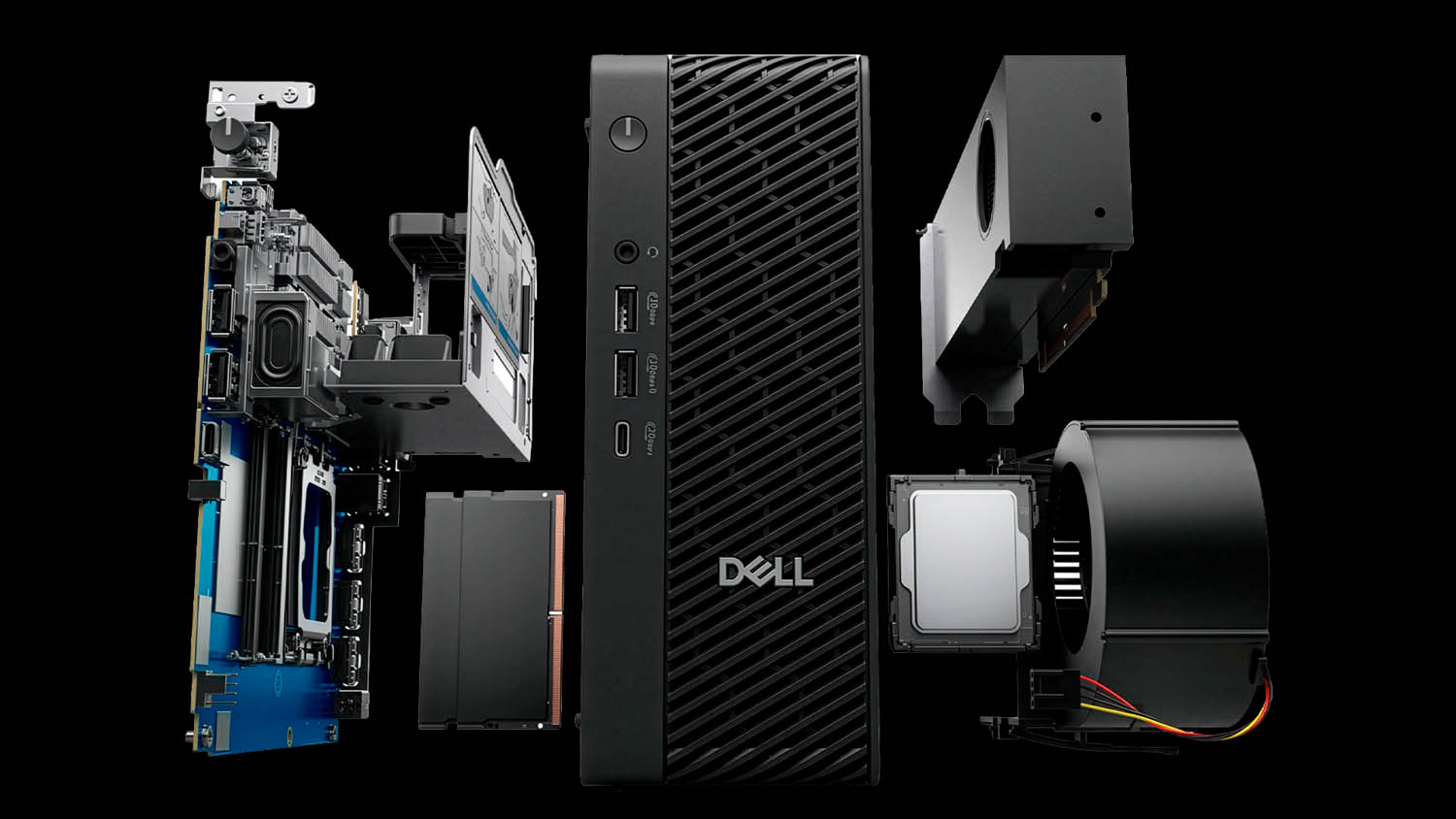
Compact workstations are becoming increasingly significant in the architecture, engineering, construction, and manufacturing (AECM) industry. With models like the HP Z2 Mini and Lenovo ThinkStation P3 Ultra SFF, these machines are designed to save desk space while still offering substantial performance. However, the key question remains: can these compact systems handle the demanding tasks associated with Building Information Modeling (BIM) and Computer-Aided Design (CAD)?
What Happened
Compact workstations are engineered to fit powerful components into smaller chassis, which presents unique challenges and opportunities. The Lenovo ThinkStation P3 Gen 2 range, including the P3 Ultra SFF and the larger P3 Tower, can both be configured with high-performance processors such as the Intel Core Ultra 9 285K. Despite having similar specifications on paper, the real-world performance varies significantly due to differences in power delivery and cooling capabilities. The P3 Tower, with its larger fans and a 1,100W power supply, can maintain higher sustained CPU performance compared to the P3 Ultra SFF, which is limited by its 330W power supply and thermal constraints.
In single or lightly threaded workloads, such as those commonly found in CAD and BIM applications like Revit or Solidworks, both systems perform similarly. However, for heavily multi-threaded tasks such as CPU rendering or simulation, the P3 Tower outperforms the compact P3 Ultra SFF due to its ability to sustain all-core frequencies at higher levels.
Why It Matters for the AECM Industry
For professionals in the AECM industry, the choice of workstation can directly impact productivity and efficiency. Compact workstations offer a space-saving solution without sacrificing performance for most CAD and BIM tasks, which are predominantly single-threaded. However, for more demanding, multi-threaded processes, traditional tower workstations provide a clear advantage. Understanding these differences helps firms make informed decisions about their hardware investments, balancing cost, space, and performance needs.
Furthermore, the ongoing advancements in compact workstation technology indicate a shift towards more versatile and adaptable computing solutions. This trend could lead to more innovative workstation strategies, such as centralized rack deployments, where density and performance are equally important.
What's Next
As technology evolves, professionals should keep an eye on the developments in workstation components, especially those related to power efficiency and thermal management. Manufacturers are likely to continue improving compact workstation designs to minimize performance discrepancies, which could further influence purchasing decisions in the AECM industry. Additionally, as multi-threaded applications become more prevalent, the demand for workstations capable of sustaining high performance across all cores will increase, potentially driving innovations in both compact and tower workstation designs.
Is your firm ready for what’s next?
VisioneerIT helps AECM and government contractors modernize operations, achieve compliance, and implement AI.
Explore VisioneerIT Solutions →