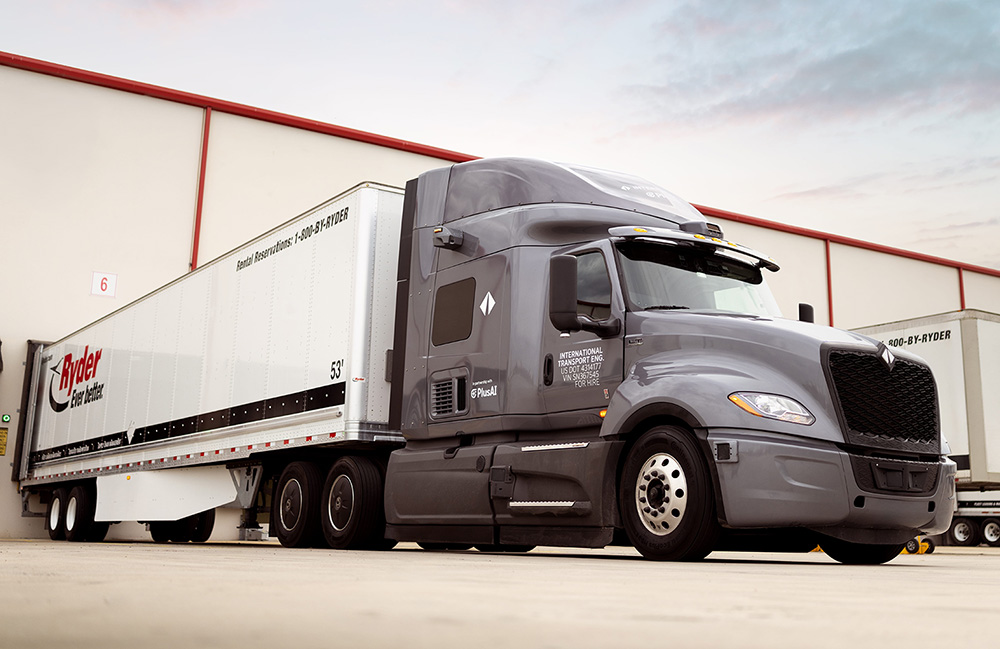
Autonomous trucks will soon be a reality on California roads, thanks to new regulations from the California Department of Motor Vehicles (DMV). This development is poised to reshape the logistics and supply chain sectors by allowing the testing and deployment of these advanced vehicles statewide.
What Happened
The California DMV has introduced regulations that permit the testing and deployment of autonomous trucks, marking a significant shift in the state's transportation landscape. Previously, autonomous vehicles (AVs) with a gross vehicle weight rating (GVWR) over 10,001 pounds were restricted from operating on California roads. The new rules not only allow these heavy-duty AVs to apply for testing permits but also expand safety and oversight requirements for all self-driving vehicles. Notably, these vehicles must still comply with existing state and federal commercial motor vehicle regulations, including stopping at California Highway Patrol weigh stations.
The DMV's new regulations are comprehensive, requiring manufacturers to begin with safety-driver testing before moving to driverless testing, and eventually to commercial deployment. A structured safety case must be presented, demonstrating the safety of the vehicle's hardware, software, and operations. The regulations also stipulate significant testing thresholds: 50,000 miles for light-duty and 500,000 miles for heavy-duty vehicles.
Why It Matters for the AECM Industry
For the architecture, engineering, construction, and manufacturing sectors, the adoption of autonomous trucks could mean substantial changes in logistics, cost-efficiency, and project timelines. The ability to deploy autonomous trucks can create more resilient supply chains by reducing transportation costs and improving delivery timelines. This efficiency is particularly critical in construction and manufacturing, where delays can lead to increased costs and project overruns.
Moreover, autonomous trucks are expected to enhance safety on highways, potentially reducing accident-related risks and insurance costs. The industry's workforce dynamics could also shift, with projections suggesting an increase in jobs by as many as 35,000, as noted by the Chamber of Progress. These positions may arise from the need for new skills related to the operation and maintenance of autonomous vehicle technology.
What's Next
Industry stakeholders should prepare for the implications of these regulatory changes, including adapting to new safety and operational standards. The DMV's regulations require annual updates to first responder interaction plans and mandate two-way communication capabilities with rapid response times. By staying informed about these requirements and upcoming milestones, companies can better position themselves to leverage autonomous trucking technology.
Professionals in the AECM sectors should also monitor the rollout of emergency response protocols, such as electronic geofencing directives, which could impact project logistics during emergency situations. As the technology progresses, ongoing collaboration with regulatory bodies and technology providers will be crucial to ensure successful integration into existing operations.
Is your firm ready for what’s next?
VisioneerIT helps AECM and government contractors modernize operations, achieve compliance, and implement AI.
Explore VisioneerIT Solutions →