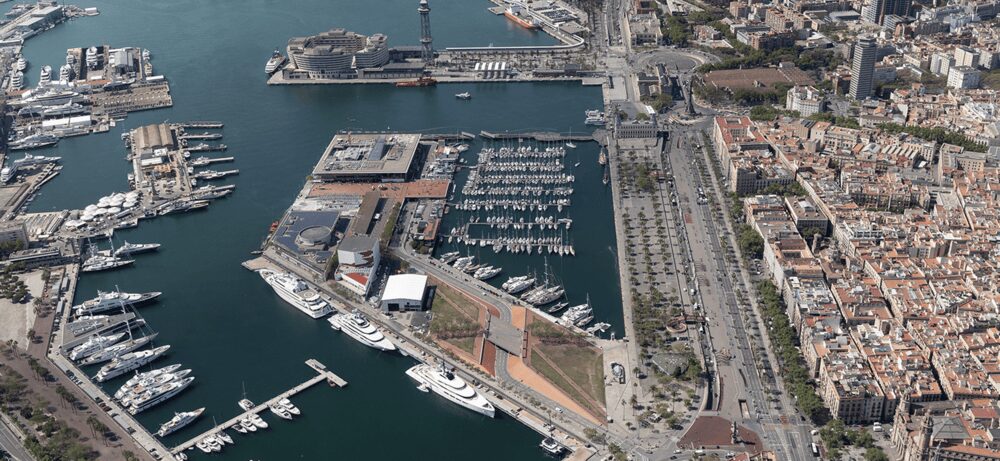
Barcelona's ambitious plan to create a new cultural beacon on its waterfront has taken a significant step forward with the shortlisting of five international architectural teams. This development is part of the Liceu Mar International Architecture Competition, which will see the transformation of the Moll d’Espanya pier at Port Vell into a 9,000-square-meter artistic hub as a second venue for the Gran Teatre del Liceu. The project's importance lies in its potential to redefine urban integration and cultural expression in the city.
What Happened
The competition, drawing 55 entries globally, has narrowed its selection to five teams combining international and local expertise. Notable names include Japan’s SANAA paired with Spain’s Camps Felip Arquitecturia and Norway’s Snøhetta teaming with Barcelona’s Batlleiroig Arquitectura. Other contenders are Spain’s Estudio Barozzi Veiga with Maio Archietect and Burgos y Garrido Arquitectos; a consortium of Japan’s Sou Fujimoto and Spain’s Gras Reynés arquitectos and Alday jover arquitectos; and England’s David Chipperfield Architects working alongside b720 Arquitectura and Creus e Carrasco Arquitectos. The Port of Barcelona will oversee the urban development, while Barcelona d’Infraestructures Municipals will construct the Liceu Mar building.
Why It Matters for the AECM Industry
This project represents a significant opportunity for the architecture, engineering, and construction sectors, setting a precedent for how urban waterfronts can be revitalized through cultural infrastructure. The integration of architecture with urban planning in a high-profile project like this could influence future developments worldwide. The involvement of top-tier architectural firms indicates a competitive edge in design innovation and sustainability practices, potentially setting new standards in building design and execution. The project also promises economic benefits through tourism and job creation, given its scale and cultural significance.
What's Next
The next milestone in this project is the announcement of the competition winner, expected after June 2026. The selected team will not only design the cultural hub but also have the potential to secure additional contracts for the executive project and site management. With a completion target set for 2032, professionals in the AECM industry should watch for updates on the competition's progress and any emerging trends in architectural design that this project may introduce. This development could serve as a catalyst for similar projects worldwide, emphasizing the value of integrating cultural spaces within urban landscapes.
Is your firm ready for what’s next?
VisioneerIT helps AECM and government contractors modernize operations, achieve compliance, and implement AI.
Explore VisioneerIT Solutions →Tracking the right federal opportunities?
OryonIQ's AI platform monitors agency forecasts, contract awards, and procurement timelines — so government contractors always know what’s coming next.
Try OryonIQ Free →