Portuguese architecture studio Atelier Backlar has unveiled The Blue House on São Miguel Island in the Azores, an ambitious project that showcases the potential of sustainable building materials. The house, built within the ruins of a former whaler's tavern, incorporates recycled ocean plastic and locally sourced timber, setting a precedent for eco-friendly architecture.
What Happened
Atelier Backlar transformed the ruins of a whaler's tavern, which had been abandoned since the 1980s, into a modern, sustainable home. The original basalt stone walls, preserved with the help of skilled local builders, serve as a historical envelope for the new structure. Within this framework, the studio utilized prefabricated structural insulated panels (SIPs) made primarily from island-sourced timber. These panels, known for their low embodied carbon and environmental benefits, were assembled on-site in just ten days, highlighting the efficiency of modern prefabrication techniques.
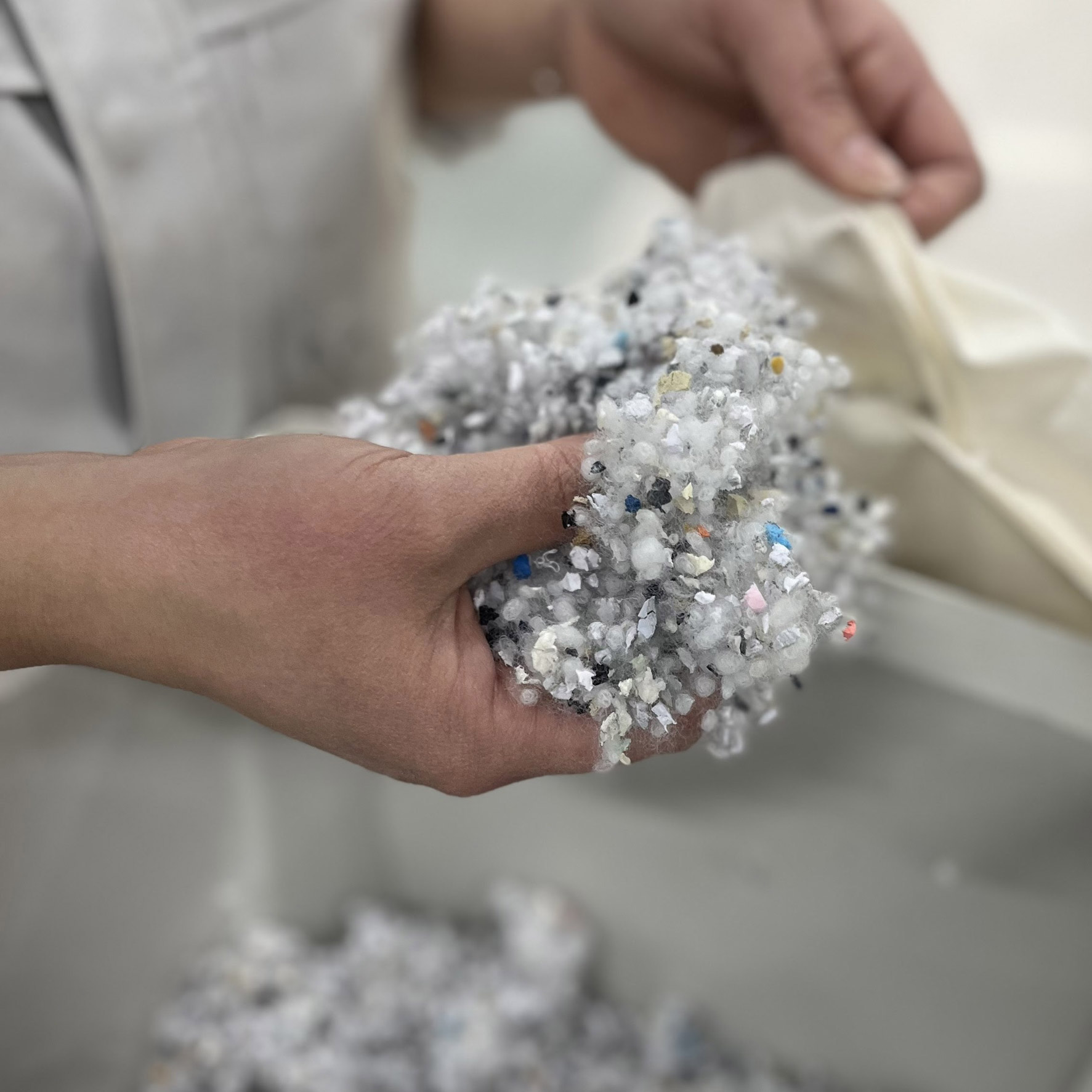
The house's striking blue exterior, roof, and deck are clad with panels made from recycled ocean plastic. The scale of this undertaking was unprecedented, as the recycling facility typically produces components for furniture rather than buildings. This innovative use of recycled materials not only addresses waste management but also demonstrates the architectural potential of recycled plastic.
Why It Matters for the AECM Industry
This project is a significant development for the AECM industry, emphasizing the viability and benefits of sustainable construction practices. By using locally sourced timber and recycled ocean plastic, Atelier Backlar has reduced the environmental impact of The Blue House. The use of prefabricated SIPs not only minimized construction time and costs but also improved the building's performance in the Azorean climate, which is prone to seismic activity.
Such projects encourage a shift towards sustainable materials and methods, which can lead to reduced carbon footprints and enhanced resilience in construction. As the industry faces increasing pressure to adopt eco-friendly practices, The Blue House serves as a model for future developments, showcasing how combining traditional craftsmanship with modern technology can result in sustainable and efficient structures.
What's Next
As the AECM industry continues to navigate the challenges of sustainability, projects like The Blue House will likely inspire further innovation in material sourcing and construction techniques. Professionals
Is your firm ready for what’s next?
VisioneerIT helps AECM and government contractors modernize operations, achieve compliance, and implement AI.
Explore VisioneerIT Solutions →