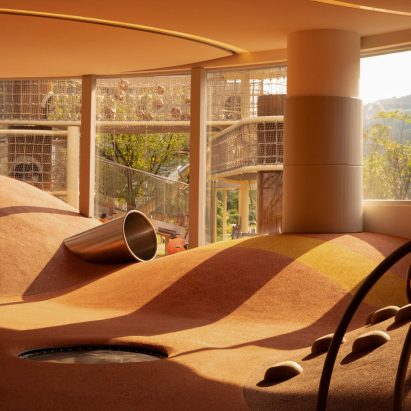
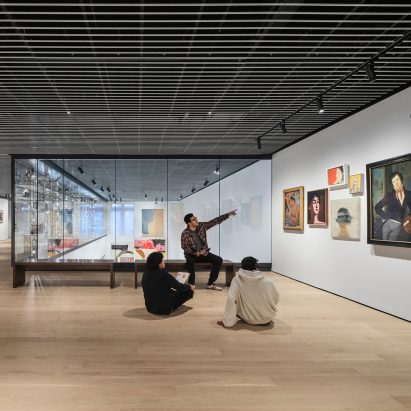
During the recent Milan Design Week, Japanese footwear giant ASICS unveiled its latest innovation, the Gel-kinetic 2.0 sneaker, in a striking collaboration with Los Angeles-based studio NUOVA. Set within the elegant La Zona Risorgimento neighborhood at Garage 21, the "Kinetic Playscape" installation presented a unique fusion of sensory experiences and architectural exploration.
What Happened
The Kinetic Playscape, conceived by ASICS and NUOVA, showcased ASICS's new Gel-kinetic 2.0 sneaker through an immersive installation that highlights the interplay between movement and design. The installation, informed by research suggesting that 15 minutes and 9 seconds of play can enhance mental function, provided visitors with an engaging experience that underscores the design philosophy of the new sneaker.
The ASICS Institute of Sport Science crafted the Gel-kinetic 2.0 by drawing on elements from previous successful models such as the Gel-kinetic 4.0 and Gel-tornado series. The sneaker features Scutoid Gel performance cushioning and a TPU support cage, enhancing stability and responsiveness. This design reinterprets early-2000s running gear with a focus on future innovation.
Set across five distinct spaces, the installation served as a fictional research institute, embodying the high-level research that ASICS is known for, particularly at its Kobe, Japan research hub. The spaces blended Italian radical design with Japanese minimalism, offering a tactile and sensorial journey.
Why It Matters for the AECM Industry
For professionals in the AECM industry, the Kinetic Playscape offers a compelling case study in how architecture and design can be leveraged to create engaging, interactive experiences that transcend traditional retail environments. By transforming a product launch into an immersive architectural installation, ASICS and NUOVA demonstrate the potential for cross-disciplinary collaboration to enhance customer engagement and brand storytelling.
The installation's emphasis on tactility and sensory engagement highlights a growing trend in architecture towards creating spaces that engage the senses and emotions, not just the intellect. This approach could influence future retail and exhibition spaces, pushing architects and designers to explore how physical environments can foster deeper connections between brands and consumers.
Furthermore, the use of "retro-futurism" in the design aesthetic reflects a broader movement within architecture to blend nostalgic elements with contemporary innovation. This trend could lead to new design paradigms that resonate with both the heritage and future aspirations of brands.
What's Next
As ASICS continues to explore new ways to engage consumers through innovative design and architecture, AECM professionals should watch for similar collaborations that push the boundaries of traditional retail experiences. The success of the Kinetic Playscape may inspire other brands to pursue similar strategies, blending architectural innovation with product storytelling.
For those interested in the intersection of design and consumer engagement, upcoming design weeks and exhibitions worldwide will likely feature similar installations. Professionals should prepare to adapt to these evolving trends, which could redefine the role of architecture and design in brand marketing.
Is your firm ready for what’s next?
VisioneerIT helps AECM and government contractors modernize operations, achieve compliance, and implement AI.
Explore VisioneerIT Solutions →