The architecture, engineering, and construction industries are on the cusp of a major transformation as Building Information Modeling (BIM) platforms evolve into intelligent systems that autonomously validate models. This development promises to reduce errors and save time, fundamentally shifting how projects are managed.
What Happened
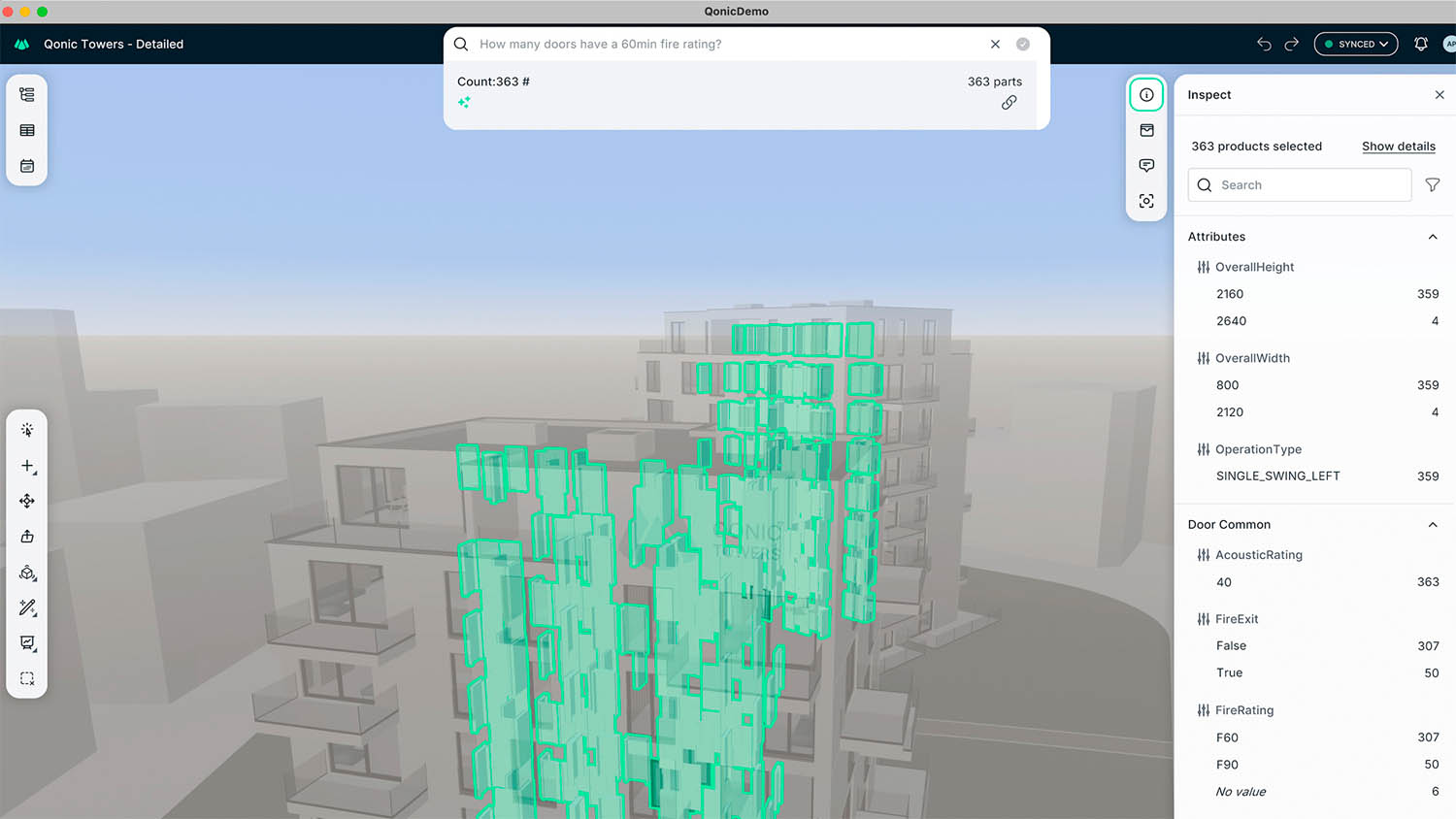
The traditional approach to BIM has been largely manual, requiring professionals to spend countless hours on data validation tasks such as ensuring objects are properly classified and compliant with standards. This process is not only time-consuming but also prone to human error. However, with the integration of AI, companies like Qonic are revolutionizing BIM platforms by embedding intelligence directly into the model environment. This transition from reactive quality control to autonomous validation means that models can now examine themselves for inconsistencies, flag suspicious quantities, and ensure compliance with standards in real-time.
Instead of periodic quality checks initiated by users, these intelligent systems perform continuous coordination checks without manual intervention. This shift is supported by AI technologies that interpret the geometrical, relational, hierarchical, and contextual nature of BIM data, which is more complex than text or images traditionally processed by AI.
Why It Matters for the AECM Industry
The implications for the AECM industry are significant. By automating the labor-intensive and error-prone process of data validation, firms can reduce project timelines and costs. The continuous validation of models ensures that errors are caught early in the design process, reducing the risk of costly rework and enhancing overall project efficiency. Moreover, as BIM models become more accurate and reliable, the potential for disputes over compliance and contractual obligations decreases, leading to smoother project execution.
This technological advancement also addresses the industry's hesitance to adopt "black box" AI systems by ensuring transparency in AI decision-making processes. Qonic's approach emphasizes the importance of understanding how model decisions are made, which is crucial given the impact these decisions have on project budgets, safety, and compliance.
What's Next
As this technology continues to develop, AECM professionals should watch for further integration of AI into BIM platforms, which could lead to even greater efficiencies and capabilities. The industry can expect to see more innovations in spatial encoding techniques and natural language interactions that enhance the transparency and reliability of AI-driven BIM systems. Stakeholders should also stay informed about developments in AI policy and standards to ensure compliance and maximize the benefits of these new technologies.
Is your firm ready for what’s next?
VisioneerIT helps AECM and government contractors modernize operations, achieve compliance, and implement AI.
Explore VisioneerIT Solutions →