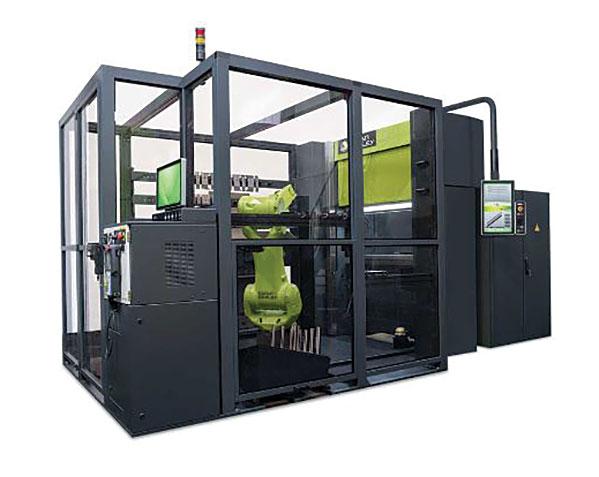
The collaboration between ABB Robotics and AUAR marks a significant step forward in addressing the construction industry's challenges of sustainability and labor shortages. By leveraging robotic micro-factories, these two companies aim to revolutionize the construction of low-energy homes using timber, offering a glimpse into the future of affordable and sustainable housing.
What Happened
ABB Robotics and the UK-based tech start-up AUAR have joined forces to create robotic micro-factories that produce affordable, sustainable homes from timber. This innovative approach involves using sheet timber as the primary material, which robots cut and assemble into housing units. These units can be transported to their final site, where they are rapidly assembled into customized homes. This process not only expedites construction but also minimizes waste, thanks to the precision and efficiency of robotic technology. AUAR recently secured a £2.6 million seed round led by Miles Ahead, alongside ABB Robotics & Automation Ventures and other investors, highlighting the confidence in this technological approach.
Why It Matters for the AECM Industry
This collaboration is poised to significantly impact the AECM industry by addressing some of its most pressing issues. The use of robotic micro-factories can reduce construction waste, enhance precision, and increase the speed of building processes. This is particularly crucial as the demand for housing continues to grow, and traditional construction methods struggle to keep pace. The emphasis on local micro-factories also means reduced logistical costs and environmental impact, as materials are produced closer to where they are needed, supporting local economies and jobs. The partnership also reflects a broader move towards embracing technology in construction, a trend that is likely to reshape the industry's landscape.
What's Next
As ABB Robotics and AUAR continue to develop this innovative construction model, professionals in the AECM industry should watch for further advancements in robotic applications and modular housing techniques. The success of this collaboration could lead to wider adoption of similar technologies, pushing the boundaries of what is possible in sustainable and efficient construction. Upcoming milestones may include further funding rounds, expansion of micro-factory locations, and potential partnerships with other firms seeking to integrate advanced robotics into their construction processes.
Is your firm ready for what’s next?
VisioneerIT helps AECM and government contractors modernize operations, achieve compliance, and implement AI.
Explore VisioneerIT Solutions →Tracking the right federal opportunities?
OryonIQ's AI platform monitors agency forecasts, contract awards, and procurement timelines — so government contractors always know what’s coming next.
Try OryonIQ Free →