Construction spending in the United States showed a modest increase in March 2026, marking a 1.3% year-on-year rise, according to the latest data from the US Census Bureau. This shift is largely attributed to robust activities in infrastructure, energy, and data center projects, offsetting declines in some commercial real estate sectors.
What Happened
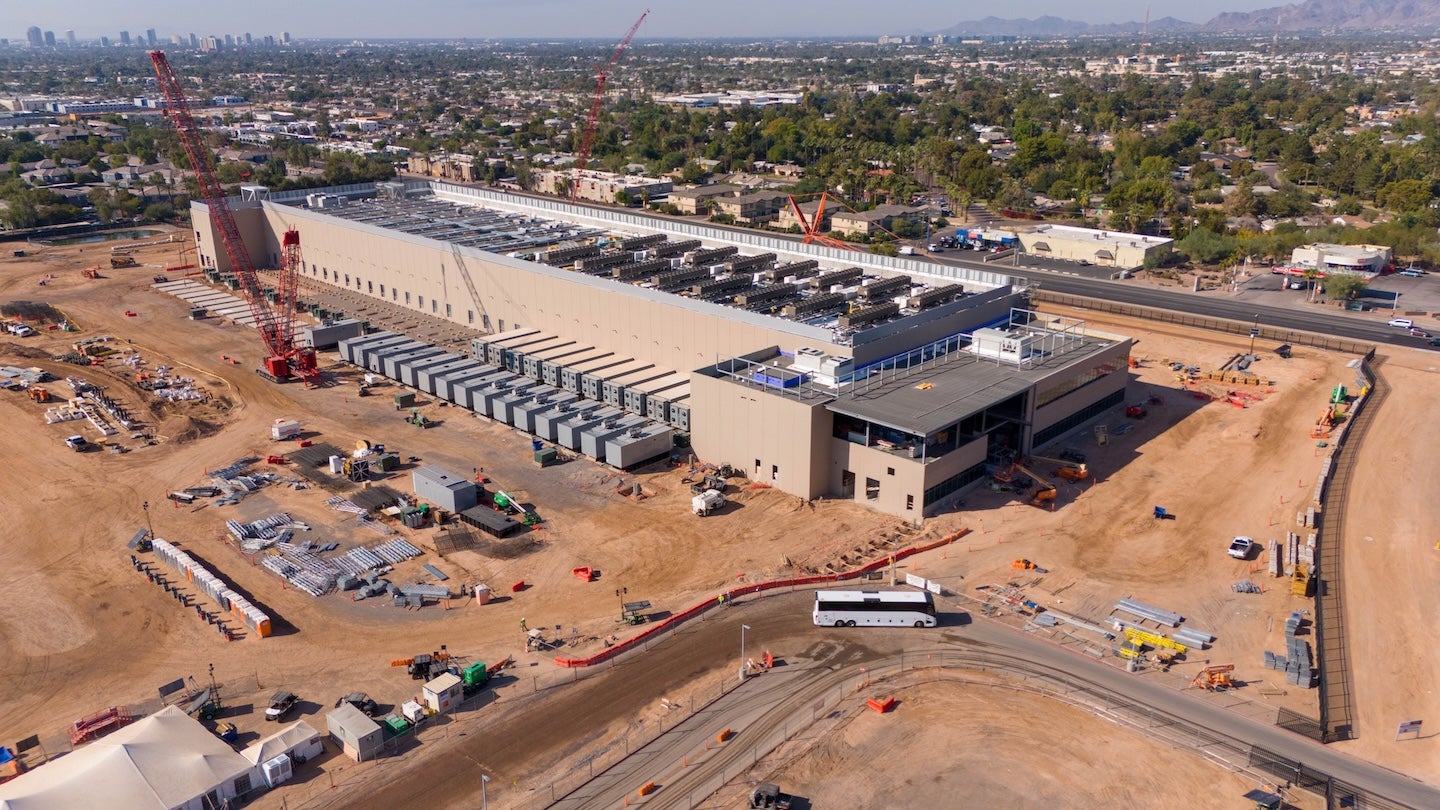
The US construction market, after a period of rapid post-pandemic growth, is transitioning into a more selective expansion phase. The total value of construction put in place increased by 1.3% YoY in March 2026, following slight declines in the preceding months. While residential construction grew marginally by 0.8% YoY, non-residential building activity saw a slight decrease of 0.1% YoY. A significant driver of this growth is the data center segment, fueled by demand for artificial intelligence and cloud computing. In 2025, private sector spending on data centers surged by 32%, reaching $41 billion, a substantial increase from $31.1 billion in 2024. Despite only accounting for a fraction of total construction spending, data centers have been pivotal in driving non-residential growth. The project pipeline, as tracked by GlobalData, includes 681 data center projects with a combined planned expenditure of $1.5 trillion.
Why It Matters for the AECM Industry
For professionals in the architecture, engineering, construction, and manufacturing sectors, the current landscape offers both opportunities and challenges. The rise in construction spending, particularly in data centers, signals potential business prospects. However, the rapid expansion of data centers is exerting pressure on power grids and local infrastructure, leading some states to consider legislative actions to curb development. This could impact project timelines and costs, especially in regions contemplating moratoriums, like Maine. Additionally, the residential sector's growth, driven by housing shortages and government incentives, is tempered by ongoing affordability issues and rising material costs, which could affect project viability and profitability.
What's Next
Industry stakeholders should monitor legislative developments regarding data center constructions, as these could significantly impact future projects. The proposed moratoriums and potential regulatory changes in states like Maine could set pr
Is your firm ready for what’s next?
VisioneerIT helps AECM and government contractors modernize operations, achieve compliance, and implement AI.
Explore VisioneerIT Solutions →