Sustainable engineering firm Stantec has been appointed to oversee the design and construction of a new energy-from-waste plant in Redcar, set to transform waste management across North-East England.
What Happened
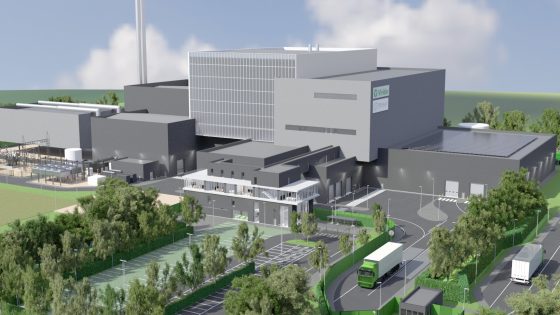
Stantec, a renowned sustainable engineering and architectural consultancy, has been selected to provide technical oversight for the Tees Valley Energy Recovery Facility (TV ERF). This plant, developed by Viridor for a consortium of seven local authorities, aims to process 450,000 tons of residual household waste annually. The facility will serve up to 1.5 million residents and generate electricity sufficient for more than 60,000 homes. Stantec's role, extending over a four-year build program, includes reviewing contractor documentation, ensuring quality standards, and advising on compliance with contractual specifications. Previously, Stantec provided ground investigation, planning, permitting advice, and procurement support for the project.
Why It Matters for the AECM Industry
For the AECM industry, this project underscores a significant shift towards sustainable infrastructure solutions. The energy-from-waste plant offers a long-term alternative to landfill, a crucial step for the participating local authorities aiming for zero residual waste to landfill. Engineering firms and contractors involved in similar projects can anticipate a rise in demand for expertise in sustainable waste management technologies. The plant's design, which includes provisions for future carbon capture and combined heat and power capabilities, aligns with the growing industry focus on sustainable and resilient infrastructure. This project showcases the increasing complexity and integration of sustainability features in large-scale engineering projects.
What's Next
As the project progresses, Stantec will continue to play a crucial role in ensuring the facility meets the highest standards of sustainability and operational efficiency. The plant's development will continue to align with local and national environmental goals, with ongoing efforts to secure funding for carbon capture integration. Industry professionals should watch for advancements in carbon capture technologies and their integration into existing infrastructure, as this will likely set a precedent for future projects. Additionally, monitoring the project's impact on local waste management policies and practices may offer insights into evolving industry standards.
Is your firm ready for what’s next?
VisioneerIT helps AECM and government contractors modernize operations, achieve compliance, and implement AI.
Explore VisioneerIT Solutions →Tracking the right federal opportunities?
OryonIQ's AI platform monitors agency forecasts, contract awards, and procurement timelines — so government contractors always know what’s coming next.
Try OryonIQ Free →