Manufacturing facilities are increasingly pressured to boost production speeds, manage variability, and minimize downtime. Yet, the rise of AI technologies promises to address these demands, though not without significant challenges. The current wave of AI, primarily based on prompt-driven models, lacks the sophistication required for the physical realities of manufacturing, posing potential risks to productivity and safety.
What Happened
The manufacturing sector is experiencing a pivotal shift as it grapples with integrating AI technologies that are traditionally based on prompt-driven models. These models, while efficient in digital realms, falter in physical environments where understanding of material properties and mechanical forces is crucial. Unlike digital applications, where errors are easily corrected, mistakes in manufacturing can result in halted production lines, equipment damage, and safety hazards for workers. The reliance on statistical pattern-matching AI systems, which do not account for the physical laws governing factories, has proven costly. These systems often fail to adapt to minor variabilities, leading to significant downtime and increased operational risks.
Why It Matters for the AECM Industry
The implications for the AECM industry are profound. Manufacturing leaders evaluate technology based on outcomes, not novelty. The inability of prompt-based AI to handle the physical nuances of manufacturing environments translates to increased costs, operational inefficiencies, and heightened safety risks. With equipment costs reaching hundreds of thousands of dollars, any error can have a cascading effect, compounding across production cycles and shifts. The industry's push towards AI systems grounded in physics, rather than mere data prompts, is essential for achieving reliability and efficiency. This shift promises to enhance adaptability, reduce liability, and support the sustainable scaling of operations.
What's Next
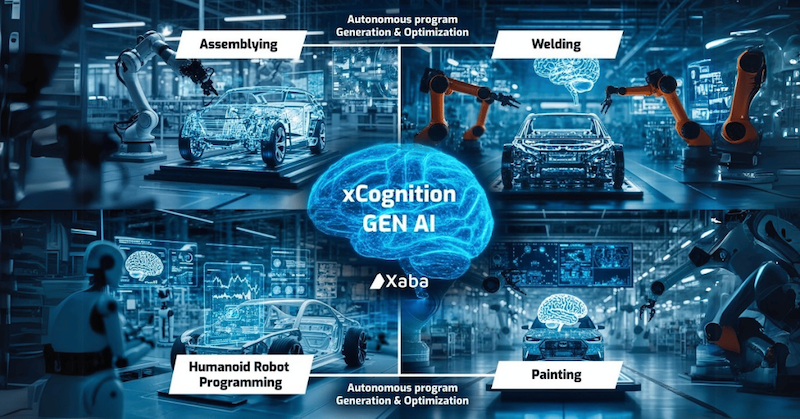
The future of industrial AI lies in the development of systems that understand and operate based on physical principles. Manufacturers are beginning to adopt a new approach, moving from rigid, predefined instructions to teaching machines intent. This involves defining desired outcomes and allowing AI to determine the optimal path based on real-time conditions. This transition to physics-based AI is expected to redefine automation in manufacturing, aligni
Is your firm ready for what’s next?
VisioneerIT helps AECM and government contractors modernize operations, achieve compliance, and implement AI.
Explore VisioneerIT Solutions →