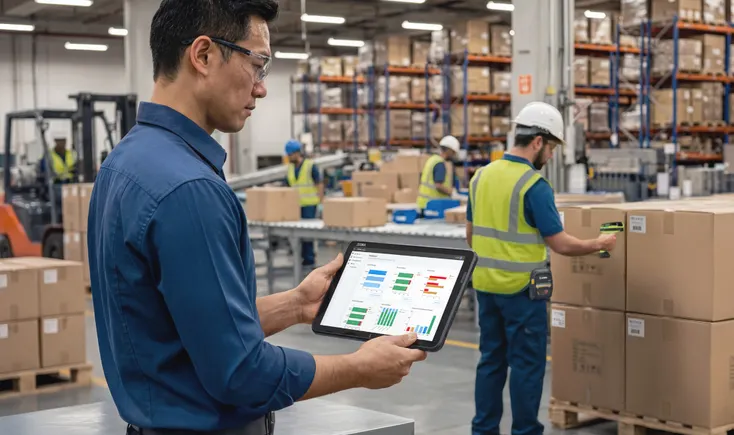
Industrial robotics is reshaping the landscape of global manufacturing, with the market projected to more than double from USD 34 billion in 2024 to USD 70.6 billion by 2030. This rapid expansion is driven by the integration of intelligent automation technologies that are setting new paradigms in production efficiency and adaptability.
What Happened
The global industrial robotics market is undergoing a significant transformation, as highlighted in a recent report by Wissen Research. The market was valued at USD 34 billion in 2024 and is expected to grow at a compound annual growth rate (CAGR) of 13% to reach USD 70.6 billion by 2030. This growth is fueled by a confluence of factors, including labor shortages, supply chain disruptions, wage pressures, and rising demand for faster production cycles. Robotics, once confined to automotive manufacturing, is now a central component across diverse sectors such as electronics, pharmaceuticals, food processing, and consumer goods.
The convergence of robotics with artificial intelligence, machine vision, cloud connectivity, and advanced analytics is creating smart production environments. These environments enhance speed, precision, and scalability while offering long-term cost efficiency. This shift in manufacturing strategy is essential as industries face continuous pressure to deliver products faster and more cost-effectively amid global competition.
Why It Matters for the AECM Industry
For professionals in the Architecture, Engineering, Construction, and Manufacturing (AECM) sectors, the implications of this robotics boom are profound. The adoption of industrial robotics can significantly impact project timelines, reduce labor costs, and mitigate risks associated with labor shortages. By automating repetitive and physically demanding tasks, companies can redeploy human resources to focus on strategic areas like quality control and operational planning.
Moreover, the integration of intelligent automation aligns with the industry's growing emphasis on sustainability. Robotics can enhance energy efficiency and reduce waste in manufacturing processes, contributing to more sustainable production methods. As manufacturers are pushed to meet stricter quality requirements and tighter cost controls, robotics offers a viable path to achieving these objectives without sacrificing competitiveness.
What's Next
The next few years will be pivotal as manufacturers continue to integrate robotics and automation technologies into the smart production environments.
Partner Insight · VisioneerIT
As the industrial robotics sector expands, integrating these technologies with existing systems is crucial for maximizing efficiency. VisioneerIT specializes in modernizing legacy systems and implementing cloud-native solutions to support the seamless adoption of robotics and automation technologies.
Explore VisioneerIT Cybersecurity →
Is your firm ready for what’s next?
VisioneerIT helps AECM and government contractors modernize operations, achieve compliance, and implement AI.
Explore VisioneerIT Solutions →