The integration of advanced digital tools, parametric modeling, and artificial intelligence is revolutionizing architectural practices by embedding construction knowledge into the design process from the onset. This shift, known as 'front-loading,' is narrowing the gap between architectural vision and constructed reality, leading to buildings that are both innovative and constructible.
What Happened
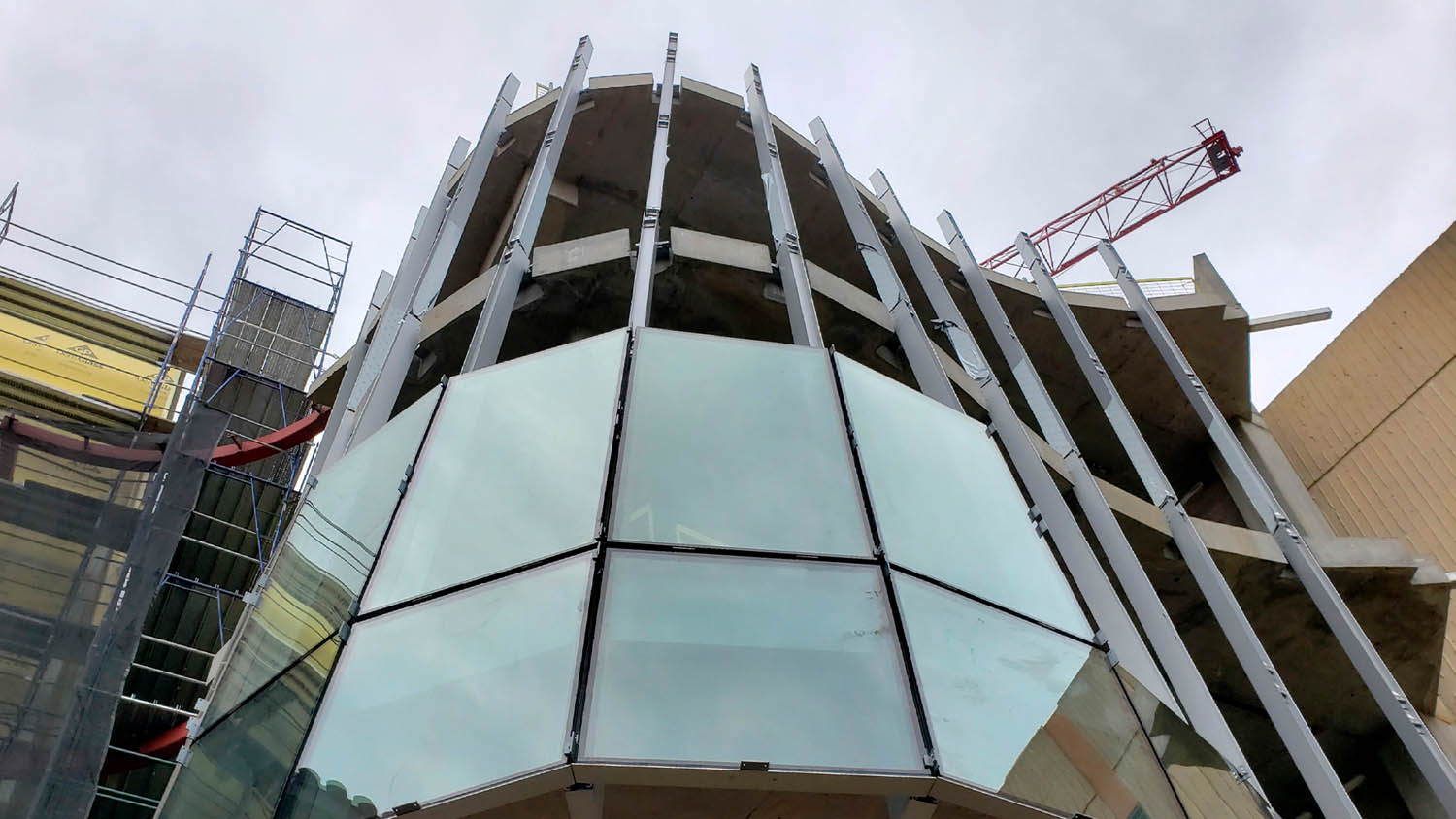
The traditional linear workflow where architects design and engineers retrofit is becoming obsolete. Instead, a bidirectional technical ecosystem is emerging, where fabrication constraints, material limits, and engineering principles inform design decisions from the start. This shift is exemplified by projects such as the Caltech Resnick Sustainability Center, which utilizes cold-bent glass in its curtain wall. The design process incorporated material tolerances provided by manufacturers into Grasshopper scripts, allowing for the realization of complex geometries without compromising the original design intent.
Why It Matters for the AECM Industry
For the AECM industry, the front-loading approach promises significant improvements in project outcomes. By integrating construction knowledge early in the design phase, projects can achieve higher levels of precision, reduce the risk of costly redesigns, and improve overall constructability. This not only enhances the aesthetic and functional qualities of buildings but also streamlines the construction process, potentially leading to cost savings and shorter project timelines. Furthermore, treating material properties as generative parameters rather than constraints fosters innovation and enables architects and engineers to push the boundaries of design.
What's Next
As more firms adopt front-loading practices, the industry can expect a shift towards more collaborative and integrated project workflows. Upcoming projects and developments will likely incorporate advanced simulation tools and data-driven design approaches, further blurring the lines between design and construction. Professionals should watch for advancements in digital modeling tools and AI applications that enhance the integration of engineering constraints into the design process, as well as policy shifts that support more collaborative project delivery methods.
Is your firm ready for what’s next?
VisioneerIT helps AECM and government contractors modernize operations, achieve compliance, and implement AI.
Explore VisioneerIT Solutions →