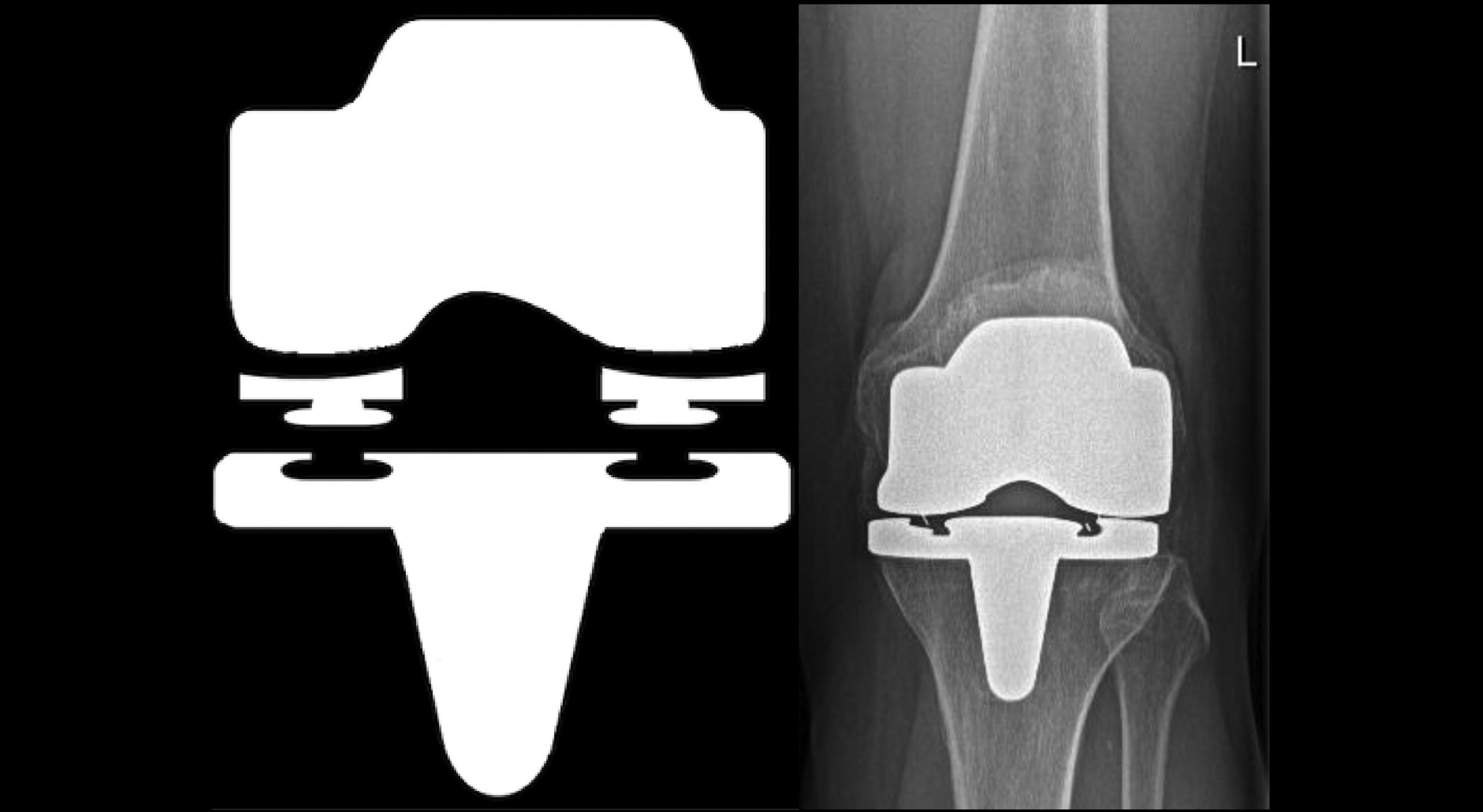
An orthopedic total joint knee replacement is not a simple hinge. It bends, rolls, glides, and rotates, bearing the force of walking, climbing stairs, and rising from a chair. This complexity is precisely what Michael J. Pappas, a pivotal figure in the field, addressed in his groundbreaking work on artificial knees.
What Happened
The development of a successful artificial knee involves intricate engineering to mimic natural movement while ensuring durability and stability. Michael J. Pappas, an alumnus of New Jersey Institute of Technology, played a crucial role in this evolution. His designs focused on creating a joint that could endure millions of cycles within the human body without succumbing to wear, inflammation, or loosening. Pappas’ work emphasized the importance of materials and design decisions that have a direct impact on the longevity and functionality of the prosthetic.
Why It Matters for the AECM Industry
For the AECM industry, the innovations in artificial knee design underscore the importance of robust engineering and material science. The parallels between designing durable medical devices and constructing resilient buildings or manufacturing reliable machinery are striking. Each requires meticulous attention to material properties and lifecycle performance under stress. As the industry faces increasing demands for sustainable and long-lasting solutions, the lessons from medical engineering can inform practices in construction and manufacturing, particularly in areas like structural integrity and lifecycle assessment.
What's Next
Looking ahead, the engineering community continues to explore new materials and technologies to further enhance the performance of artificial joints. There is a growing focus on incorporating smart materials and sensors that could provide real-time feedback on joint performance, much like predictive maintenance in industrial settings. For AECM professionals, staying informed about these advancements could inspire innovations in their respective fields, potentially leading to cross-industry collaborations that leverage medical engineering breakthroughs for broader applications.
Is your firm ready for what’s next?
VisioneerIT helps AECM and government contractors modernize operations, achieve compliance, and implement AI.
Explore VisioneerIT Solutions →