Textiles composed like music and vessels made with the help of a sensitive robot feature in our round-up of the most exciting emerging designers and studios from Salone Satellite – Milan's annual showcase for under-35s. When the heaving halls of furniture fair Salone del Mobile get overwhelming, Salone Satellite provides a retreat, bursting with innovative ideas and aesthetics – some of which are a few years away from featuring on the main floor, others refreshingly non-commercial. Here, Dezeen's contributing editor Rima Sabina Aouf chooses ten of the many talents who made an impression this year, with objects ranging from delicately glowing lamps to monster stools.
What Happened
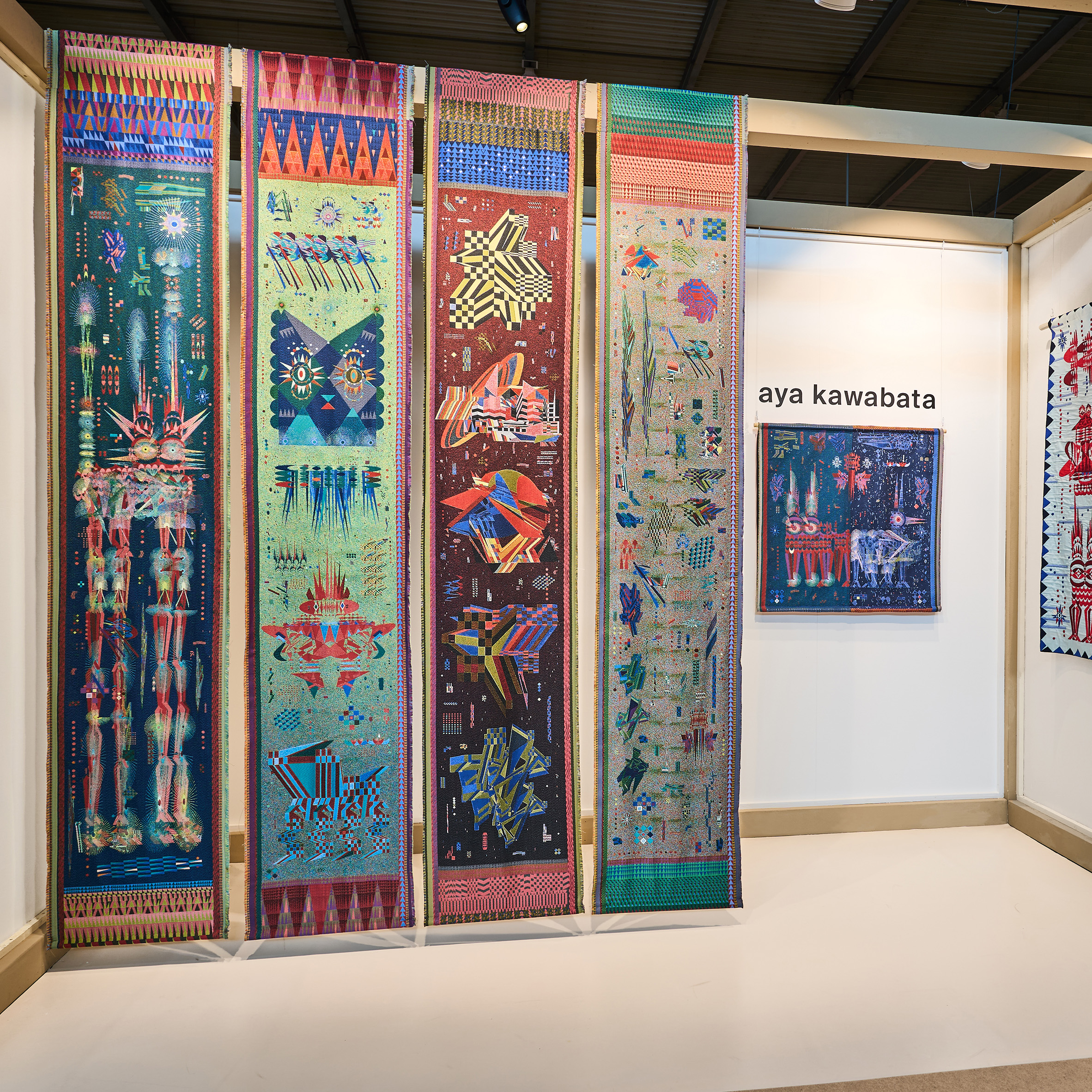
The Salone Satellite 2026, an integral part of Milan's renowned Salone del Mobile, showcased an array of groundbreaking designs and concepts from young designers under the age of 35. This year, the event highlighted the convergence of traditional craftsmanship with cutting-edge technology. Aya Kawabata, for example, presented tapestries created with just five thread colors, yet they featured complex arrangements inspired by psychedelia and cyberpunk. Aiko Design's Nicolás Romero combined horsehair with high-definition 3D printing to create the Nùmina floor lamp, blending indigenous Chilean crafts with modern technology. Another standout, Dong Liu, offered innovative DIY design solutions with his TG-01 lamp, which allows customization using local materials.
Why It Matters for the AECM Industry
The designs and innovations showcased at Salone Satellite 2026 signify a shift in the AECM industry towards integrating traditional craftsmanship with modern digital fabrication techniques. This trend could lead to more sustainable and personalized construction materials and methods. The work of designers like Jüngerkühn, who merge digital and tactile processes, exemplifies how robotics can enhance craftsmanship by introducing unpredictability and uniqueness into mass production. Such innovations could reduce waste and costs while offering unique design solutions. Moreover, Federico Zorrozua González's mobile room divider system, Invalid Wall, addresses the pressing issue of adaptable housing solutions in urban environments, offering practical applications for architects and builders.
What's Next
As these emerging designers continue to develop their concepts, industry professionals should watch for the integration of these innovative materials and techniques into mainstream production. The potential for collaboration between traditional artisans and digital fabricators could revolutionize material sourcing and product development. Additionally, the adaptability of designs like Invalid Syntax's room divider system highlights the growing need for versatile living solutions, a trend likely to influence future architectural designs. The next few years will be crucial in determining how these experimental designs transition from prototypes to market-ready products, potentially reshaping the landscape of the AECM industry.
Is your firm ready for what’s next?
VisioneerIT helps AECM and government contractors modernize operations, achieve compliance, and implement AI.
Explore VisioneerIT Solutions →Tracking the right federal opportunities?
OryonIQ's AI platform monitors agency forecasts, contract awards, and procurement timelines — so government contractors always know what’s coming next.
Try OryonIQ Free →